Back to top

The AI Risks No Company Can Fix Alone: Ray Eitel-Porter on Regulation and Trust

Speaking exclusively to AI Speakers Agency, Ray examines whether the EU AI Act is helping or hindering innovation, why businesses…

The AI Risks No Company Can Fix Alone: Ray Eitel-Porter on Regulation and Trust

17th November 2026

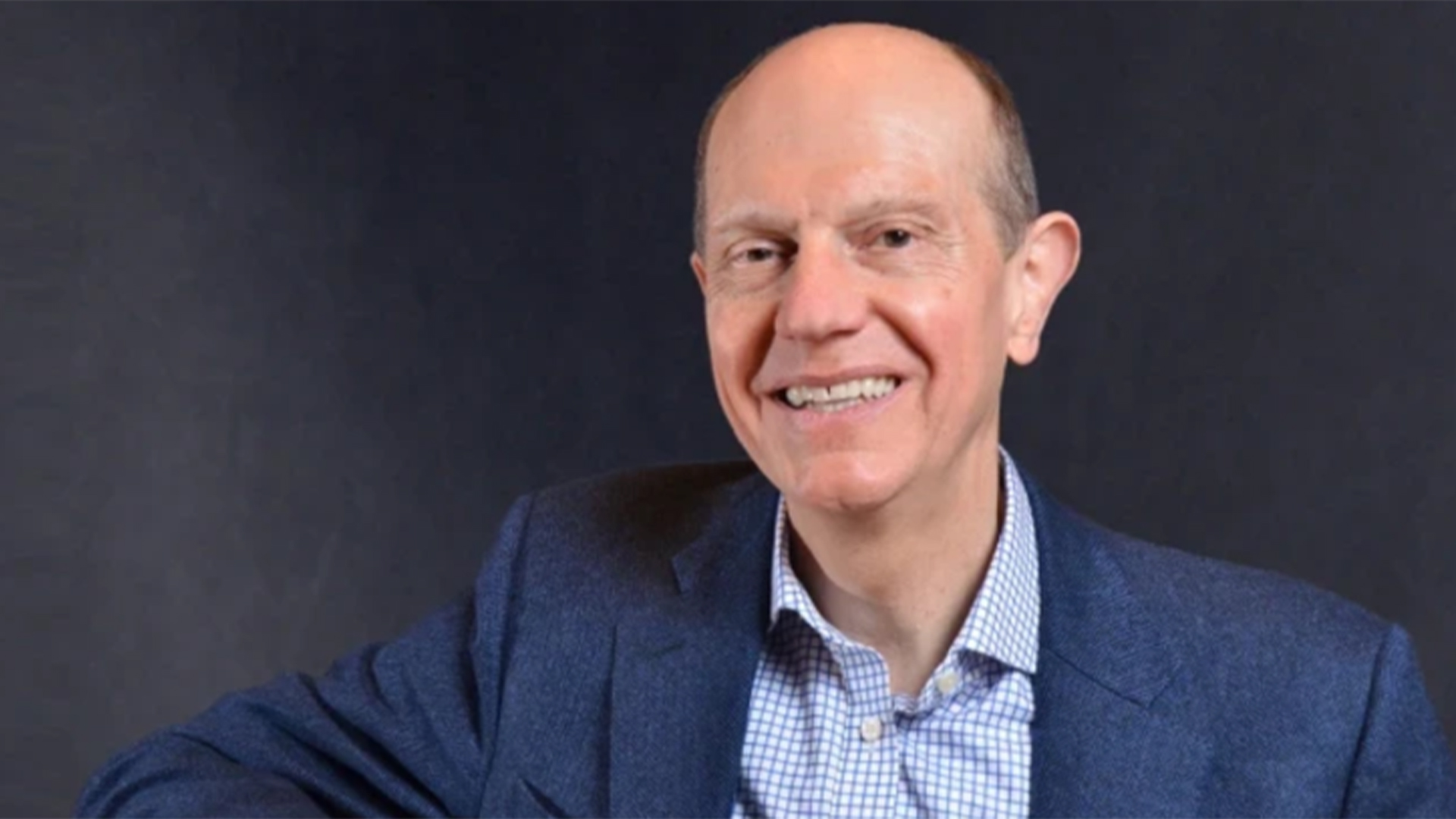
Ray Eitel-Porter

This exclusive interview with Ray Eitel-Porter was conducted by Tabish Ali of the Motivational Speakers Agency.

What happens when AI poses risks that companies have little financial incentive to address? From misinformation threatening democracy to people becoming emotionally dependent on AI, Ray Eitel-Porter believes regulation has a critical role in protecting society.

Former Global Head of Responsible AI at Accenture and founder of Lumyz Advisory, Ray has helped organisations tackle AI risk at scale, including developing a global compliance programme covering 750,000 employees across 120 countries.

Speaking exclusively to AI Speakers Agency, Ray examines whether the EU AI Act is helping or hindering innovation, why businesses should treat AI governance as an investment in performance, and how education, independent testing and stronger safeguards could help close the growing gap in public trust.

Question 1. How can AI regulation balance innovation with the need to address risks that companies cannot manage alone?

Ray Eitel-Porter: “My view is that regulation has two important roles to play. It can be very helpful in setting standards and providing best practice, but you don’t want regulation to be too complex or burdensome.

“The European Union’s AI Act is one where a number of people would say it’s perhaps too complex and burdensome. However, it can serve a useful function by setting helpful standards, especially as the standards bodies working with the EU are starting to come out with approved sets of standards that support the regulation.

“That can be very helpful for organisations looking for a common understanding of what good practice looks like.

“The key area where we need regulation is for risks where there’s no economic incentive for individual companies to get it right.

“I’m thinking about things like fake news and its impact on democracy, or people becoming addicted or emotionally dependent on AI, and the mental health challenges and harms that can create.

“These are things where no individual company can solve those issues, and there’s no real economic incentive for companies to get them right.

“When it comes to making inaccurate or biased lending decisions, that’s not good business because it comes back to haunt organisations. Organisations try hard to avoid those kinds of things.

“But these other areas need regulation to protect society.”

Question 2. What role does effective AI governance play in reducing risk and improving return on investment?

Ray Eitel-Porter: “This is absolutely critical. It comes back to thinking about AI compliance as a way of ensuring that AI does what you want it to do.

“If you consider any new use of AI, it will almost certainly go through some sort of business case approval process to get the investment. You’re going to want to know that it’s going to generate a good return or a positive result in one form or another.

“All those risks associated with AI are ways that it could be derailed and fail to deliver on the promise of that return on investment.

“For me, good AI governance is about making sure that AI does what you want it to do.

“No company sets out to develop AI that goes wrong and causes harm. AI governance is about making sure you’ve got the right tests, checks and controls in place to be confident that the AI is going to deliver on its promise.

“That’s where governance becomes something that supports innovation. It gives you the confidence to use AI because you know it will have been checked thoroughly and has the best possible chance of delivering on its promise.”

Question 3. What is driving the AI trust gap, and how can education and independent assurance help close it?

Ray Eitel-Porter: “I think it’s mostly driven by a lack of knowledge.

“Humans tend to trust things that they understand. That’s our first mechanism for trust. I know how that works, I understand it, so I’m comfortable with it.

“The other way we trust something is by delegating that trust to somebody else we trust.

“We probably don’t know how our cars work in a huge amount of technical detail, but we trust the companies that make them and the regulations around car safety.

“The same applies to flying. We don’t really know much about how a plane flies, but we trust that there are regulations in place that keep us safe because companies have to comply.

“I think we need much more education, broader awareness and training. That’s needed at a population level as well as at a company or organisational level.

“Even if we do it at the company level, that will have an effect on the general population because people take that knowledge into their personal lives and talk to friends.

“The more we can do to upskill people in basic understanding, the better. I’m not talking about becoming data scientists or programmers, but understanding how AI works, its benefits and the risks to be aware of.

“The other thing is third-party assurance and testing. Ideally, I’d like to see some kind of kitemark system developed.

“If you think about electrical items, a BSI, British Standards Institute, stamp indicates that something is compliant with a safety standard set by the British Standards Institute.

“It’s not easy with AI. It’s going to be much harder than testing a physical object.

“But I think we need to work towards that kind of system where people can look at something and say, “Oh, okay. This was tested. We can be comfortable that it’s working well.””

Question 4. What mistakes do senior leaders make when approaching AI compliance, and how can governance strengthen organisational trust?

Ray Eitel-Porter: “Probably the biggest challenge is when an organisation thinks about compliance as a necessary legal or technical requirement rather than something that’s going to help drive the business forward.

“If that mindset is wrong from the outset, and it’s more about avoiding risk rather than thinking about the positive ways governance can enable the use of AI and build people’s confidence and trust in the system, that’s the wrong way to start thinking about it.

“That can also come from the mindset or ethos of whoever is running the programme at a senior level.”

Categories: Advice, Articles, Tech

Our awards

Discover Our Awards.

See Awards

You Might Also Like