Back to top

The True Cost of Tech Component Sourcing Delays

A component necessary to keep a production line running is backordered for an extended stretch. The workstation tied to it…

The True Cost of Tech Component Sourcing Delays

27th November 2026

A component necessary to keep a production line running is backordered for an extended stretch. The workstation tied to it goes idle, but labor costs do not pause. A shipment that depended on that line finishing on schedule misses its delivery window, which triggers a contractual penalty.

That essential part did not vanish by accident. Its absence traces back to a shifting sourcing environment.

Technology Procurement Challenges Behind Longer Lead Times

More than an isolated vendor issue or bad luck, technology procurement challenges are an industry-level trend. In 2025, delivery delays left affected companies waiting an average of four months for semiconductor components. While it’s an improvement from 2023’s five-month average and 2021’s 6.5-month average, the problem remains widespread.

Today’s normal still means months, not days or weeks. A multimonth wait on a single part may outlast a project’s timeline, budgeting cycle or contractual delivery window.

This pattern tracks back to a deeper structural shift. Few countries and producers supply the materials that the entire technology supply chain depends on, including silicon wafers and specialty materials like borates. Disruptions like a factory issue or export restriction in one of those places ripple outward to everyone else sourcing from the same chain.

A surge in demand from other industries, like AI infrastructure, also affects supply. Trade dependencies for semiconductors more than doubled between the 2012 to 2014 and 2020 to 2022 periods. Demand for raw materials and manufacturing equipment also rose during that same time frame.

How Tech Component Sourcing Delays Snowball Into Facilitywide Costs

Idle labor, missed shipments and contractual penalties are only the first ripple. A delayed sensor or control board can stop a connected production cell or line that depends on that station’s output. Downstream shifts and adjacent processes slow down or stop even though their own parts arrived on time.

Businesses must also deal with additional cost layers, such as:

  • Overtime or expedited labor costs once the part finally arrives as staff rush to catch up on backlogs.
  • Premiums for expedited freight or emergency sourcing to patch the gap, which is rarely factored into the original project budget.
  • Strain on customer relationships or reputation when delays repeat, separate from any contractual penalty.

These are facilitywide compounding costs that rarely appear on the same line item as the part itself. Companies often underestimate them until they have already accumulated. This is why sourcing decisions are better evaluated through a wider lens.

The price paid for a component is only one data point in a much longer financial story. Total cost of ownership accounts for the full span of financial obligations tied to an asset, from initial purchasing up to decommissioning or disposal. Facilitywide costs fall under the same ownership cycle, even though they are rarely traced back to the original sourcing decision.

Ways to Reduce Sourcing Risk

Tech component sourcing delays are unpredictable, so proactive measures are essential for businesses to reduce procurement exposure.

Diversifying Suppliers and Stocking Buffer Inventory

Relying on a single supplier for a critical component concentrates risk in one place. Qualifying more than one vendor for the same or an equivalent part reduces exposure to any one company’s lead-time problems. A business prequalifying two or three vendors for a critical chip or control component ahead of time will not scramble to vet a new supplier when the primary one falls through.

Buffer inventory is a complementary tactic. Holding a modest safety stock of the highest-risk, longest-lead-time components cushions against a sudden gap, even if it cannot prevent the underlying delay. This prevents the reactive scrambling that happens when a procurement problem hits.

These fallbacks have their own costs. Multivendor qualification takes up-front engineering and testing, while buffer stock ties up working capital. However, weighed against facilitywide expenses like idle labor and expedited freight, the up-front costs of these two tactics are often small in comparison.

Repairing Components In-House

When a component fails on an older or discontinued system, the common reaction is to replace the entire board or unit instead of just the failed part. That instinct can backfire on businesses.

Full replacement discards a board that may have only one bad component among hundreds of working ones. It also reexposes the business to a sourcing delay problem, as the company will need to source a new board for a phased-out system through constrained channels. Lead times can last weeks or months for discontinued components and boards.

Having component-level repair available on-site can keep this problem from escalating. The original board never leaves the facility for a redesign or a hunt through broker inventory. Turnaround runs days instead of weeks or months, and existing calibration, configuration and firmware carry over as they are.

Partnering With Repair and Refurbishment Vendors

Not every business has the internal technical capacity or volume to justify building an in-house repair function, but that does not put the same benefits out of reach. Companies can partner with a third-party repair or refurbishment vendor. It provides a similar value proposition through targeted, component-level fixes without requiring an internal buildout.

While repair and refurbishment partnerships are available immediately, the larger supply-side fix is a longer-term task. Expanding the production capacity for semiconductors can take a decade or longer on top of the additional time necessary to qualify materials and suppliers for manufacturing.

Turning Sourcing Delays Into a Resilience Advantage

Sourcing delays are a structural, ongoing reality of operating with technology components. Awareness of the full chain, from stretching lead times and the costs they trigger to the total cost of ownership, can change how leadership makes sourcing, upkeep and repair decisions.

Businesses can benefit from reviewing which components are hardest to place, discontinued or single-sourced. They can ensure diversification, buffer stock and repair options are in place before delay forces the issue.

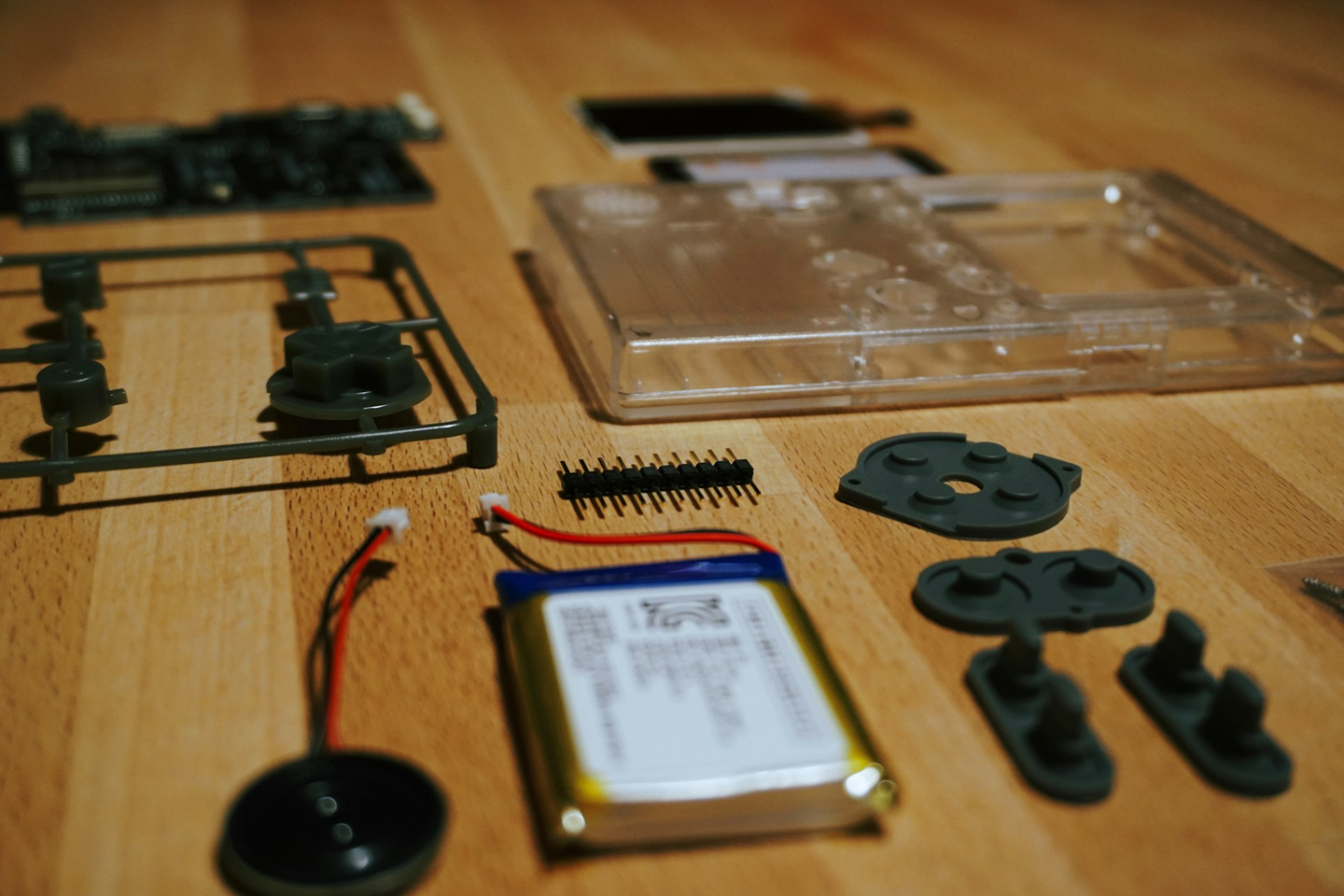
Credit for Image: Photo by Maik Winnecke on Unsplash

Categories: Tech

Our awards

Discover Our Awards.

See Awards

You Might Also Like