Back to top

5 Workspace Details That Quietly Shape How People Perceive You

Your workspace says more about you than you think. Before a single word is spoken in any Zoom call, people…

5 Workspace Details That Quietly Shape How People Perceive You

8th July 2025

Your workspace says more about you than you think. Before a single word is spoken in any Zoom call, people pick up cues from what they see around you. Subtle details like your choice of furniture or even how your desk is organized can quietly shape how others think of your focus and professionalism.

In short, these days, hybrid work and virtual communication are the norm. Due to that, your workspace has become part of your personal brand. So, it needs more attention. However, it should not get on your nerves. Just a few intentional upgrades can change how your space and you are perceived. 

That said, let’s explore in this article what truly makes an impact.

1. Desk Surface & Material Choices

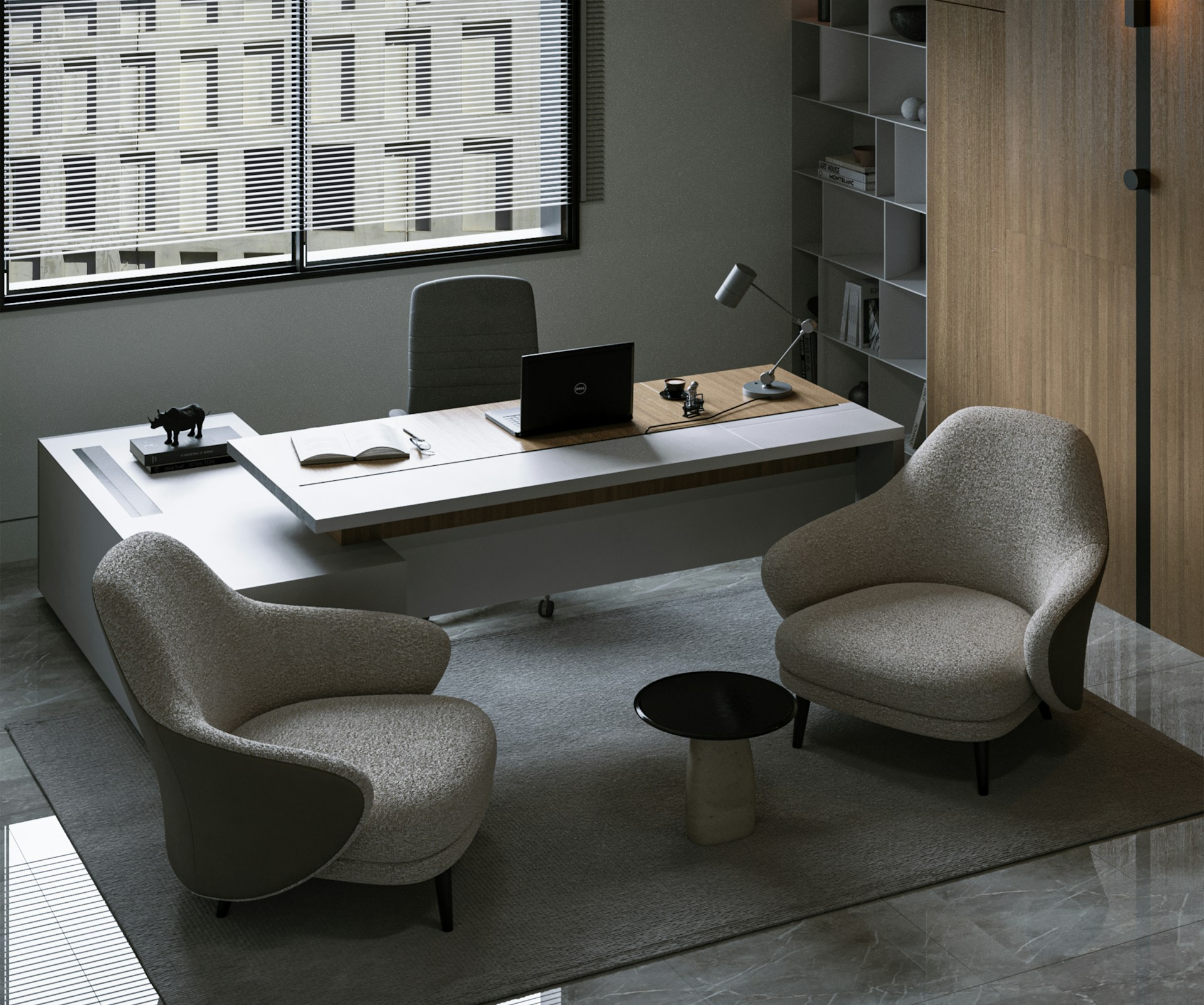
The desk is the foundation of your workspace. You attend the virtual and physical meetings in the same place. People might not call it out directly, but the surface you work on sets the tone for everything else. A scratched or unstable surface can look temporary or neglected. In contrast, a well-finished desk top can create a sense of stability and sophistication without saying a word.

Moreover, the materials used for such surfaces also matter. They convey texture, warmth, and intent. Solid wood, for example, is a perfect choice. It looks premium, plus it feels grounded and long-lasting. In many modern offices, professionals are moving toward such high-quality surfaces. Ultimately, it’s a subtle cue that reinforces a calm, confident work presence.

2. Personal Decor or Minimalism

Too much clutter in the office can feel chaotic. Too little can feel cold. In short, the key lies in finding a middle ground. A framed photo, a small piece of art, or a meaningful object adds personality without overwhelming the space.

Personal touches make your space human. But the way they’re displayed also shows how organized and intentional you are. All in all, choose decor that supports your mood or reflects your work ethic. It’s not just what’s there. Moreover, it’s also about how you arrange it that people notice.

3. Use of Plants or Natural Elements

Natural elements bring life and warmth to a workspace. A small indoor plant, a wooden accent, or even a stone paperweight introduces calm into your visual environment. These touches soften the hard edges of tech and furniture and offer a grounding contrast to an otherwise functional space.

Additionally, plants do more than just decorate. They also suggest patience, care, and balance. In fact, studies have linked greenery with better focus, improved mood, and even increased productivity. A splash of green can subconsciously signal that you’re thoughtful and in control.

4. Cleanliness & Organization

It’s basic, but it matters. An organized workspace reflects mental clarity. When someone sees a clean, well-maintained desk, they often assume you approach work with discipline and efficiency.

Use drawer dividers, trays, and cable organizers to keep chaos out of sight. Even a 5-minute cleanup at the end of the day can transform how you (and others) feel about your space.

And it’s not just about appearances. Instead, clutter can actually increase stress and reduce focus. Studies have shown that visual mess makes it harder for the brain to process information. That’s why even simple habits like keeping only essentials on your desktop or going digital with notes can help reduce the cognitive load.

5. Lighting & Color Balance

Lighting has a direct impact on mood and focus, and people pick up on it instantly. Harsh fluorescent light can feel rigid and institutional. Overly dim lighting, on the other hand, can make your space look tired or neglected.

Replace them with a soft and warm light source, which can add professionalism and calm. It makes the space feel welcoming, whether you’re working late or on a midday video call. Natural light is ideal, but when that’s limited, a good desk lamp with adjustable warmth can do wonders.

Pair this with a grounded color palette. Think neutral or natural tones like beige, slate, soft gray, or light wood. These hues tend to reflect light gently and create a clean, cohesive backdrop. They also work well with natural textures, which can add a subtle layer of depth and warmth to the overall setup.

Conclusion to Draw!

Your workspace isn’t just a backdrop. It’s a silent communicator of how you think, work, and show up. While it’s tempting to focus only on functionality, appearance plays a key role in how you’re perceived by clients, colleagues, and even yourself.

The best part? You don’t need a major overhaul. Small shifts can create a space that feels just as polished as your work. When your workspace speaks for you, make sure it’s saying something worth hearing.

Categories: Advice, Articles, Creative

Discover Our Awards.

See Awards

You Might Also Like