Back to top

Are We Automating Ourselves Out of Humanity?

AI is reshaping work. Ali Brown explains how to adopt it without eroding autonomy, relatedness, and competence—so humans thrive alongside…

Are We Automating Ourselves Out of Humanity?

19th November 2025

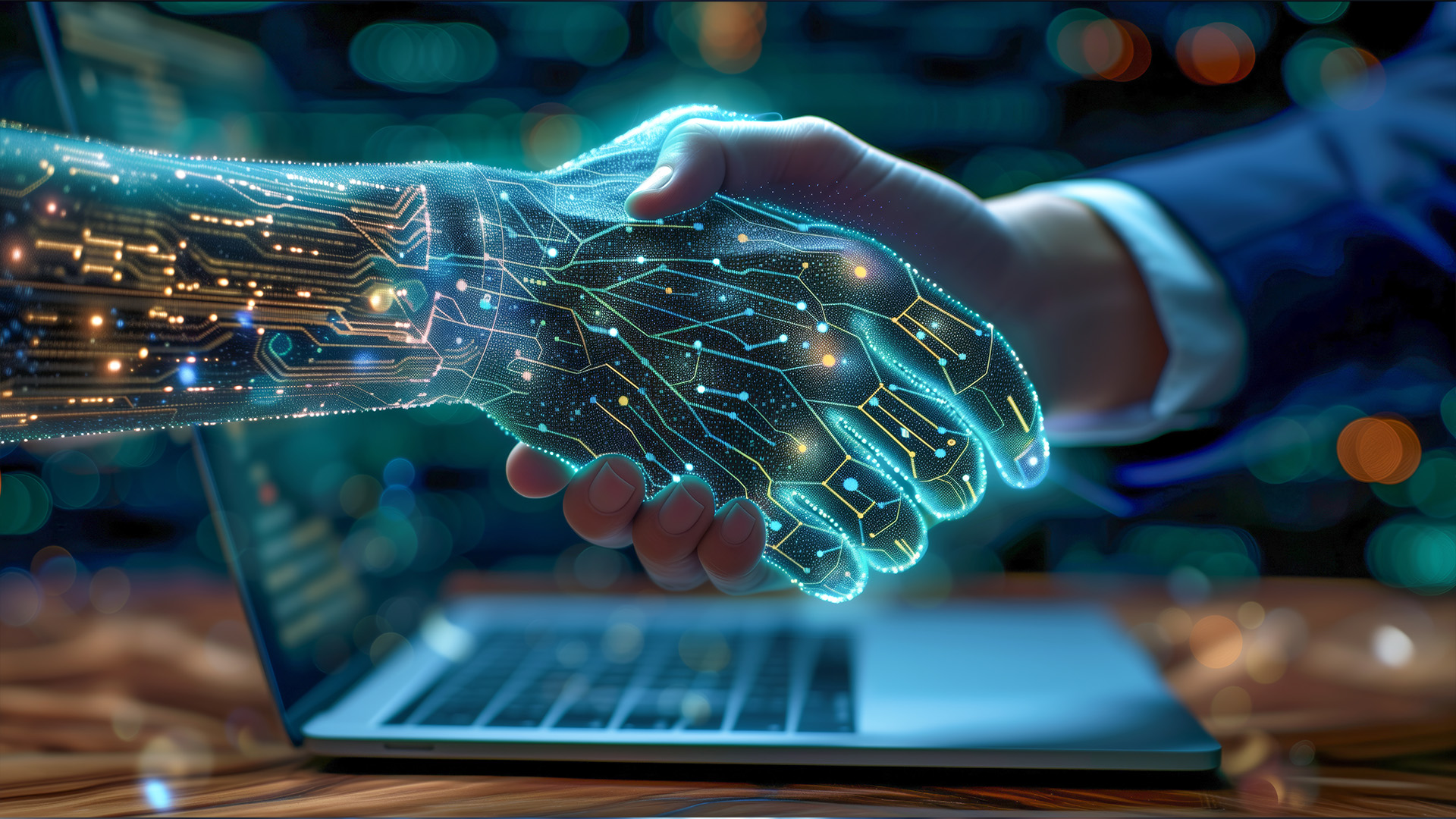
Are We Automating Ourselves Out of Humanity - article feature image

By Ali Brown, Lead Occupational Psychologist & Executive Coach at &Evolve Ltd.

Artificial Intelligence (AI) is outperforming humans in speed, accuracy, and adaptability – and businesses are taking advantage. From retail to logistics to pharmaceuticals, AI now makes decisions that were once reserved for experienced professionals. What began with digital assistants and function-specific tools has evolved into algorithmic management systems and even experimental AI CEOs.

The trajectory is clear: automation is shifting not just how we work, but who holds the power to decide, connect, and create. In the race to automate as much of our work as possible, we must pause and ask: what do we want to hold on to?

What Makes Work Worthwhile?

According to Self-Determination Theory (Ryan & Deci, 2000), humans have three fundamental psychological needs:

  • Autonomy – the need to make meaningful independent choices
  • Relatedness – the need for connection and belonging
  • Competence – the need to feel effective and capable

When these needs are fulfilled, we thrive. When they’re stripped away – especially at work – motivation fades, well-being suffers, and our sense of purpose begins to erode. Therefore, AI doesn’t only risk replacing jobs – it risks removing the very aspects of work that make us feel human.

Autonomy – when algorithms decide for us

AI is increasingly replacing human decision-making, even in people-focused domains such as hiring. Algorithms now screen applications, rank candidates, and even conduct video interviews using facial and speech analysis. These tools are praised for fairness and efficiency, but how does it feel for a candidate, when a faceless system makes decisions about your future?

The more we outsource judgment to machines, the more we erode our sense of agency. When people no longer influence the outcomes that affect them, work becomes somewhat hollow.

Relatedness and substituting connection with convenience

AI is also reshaping how we relate. Mental health chatbots like Wysa and Woebot offer 24/7 support as robotic caregivers help elderly users manage medication and mobility. These tools provide accessibility and scale, but they also risk replacing genuine human interaction with artificial companionship.

In the workplace, AI is increasingly mediating our conversations; it’s automatically summarising meetings, drafting emails, or managing team schedules. While these tools can prove extremely helpful, they can strip away the spontaneity and emotional nuances that form trust, empathy, and real human connection. And if we’re not careful, we may build highly efficient systems that make us feel more isolated than ever.

Competence and what if AI does it better?

Perhaps the deepest threat from AI is to our sense of competence. AI is no longer limited to routine tasks given that it now surpasses humans in complex areas such as fraud detection, document review, and customer service.

In 2025, Klarna replaced 700 customer service agents with AI. The result? Two-thirds of customer queries are now handled by AI resulting in an increase in customer satisfaction.

There was a time, when we believed that machines would only replace low-skill roles. But with AI taking on creative direction, strategic analysis, and even executive decision-making, that belief no longer holds. When machines outperform us, we’re left to ask where does that leave our value?

Not anti-AI – just pro-human

This isn’t a call to abandon AI, however, the question we should ask is, when should we adopt AI, how do we do so, and also to what end?

Positive examples of this is how it can absolutely support our psychological needs if it’s designed with people in mind:

  • To protect autonomy, AI should augment rather than override decision-making. For example, DeepMind’s tools help radiologists flag anomalies but leave final diagnostic decisions to doctors.
  • To support relatedness, tools like Otter.ai free people from note-taking in meetings so they can engage more fully in conversation and relationship-building.
  • To nurture competence, firms like Deloitte use AI to map skills gaps and guide employees to upskilling opportunities, helping them stay relevant and valued.

AI can be a tool for human empowerment as opposed to replacement, providing that we build it with that intention.

What do we truly value?

We’re told the biggest risk with AI is falling behind. But perhaps the real danger is racing ahead without asking what kind of future we’re creating. We should be asking therefore: is it one where people feel purposeful, connected, and empowered? Or one where efficiency outweighs dignity, and productivity replaces meaning. Many companies claim to put their people first. Now is the time to prove it.

We can continue to optimise for speed, accuracy, and cost -or we can choose to design AI in ways that protect and promote what makes us human. We should stop framing this as a question of human vs. machine and the future of work will depend on humans with machines. To build a future where people thrive, we must embed autonomy, relatedness, and competence into the fabric of AI systems, ensuring that innovation leads to better outputs and more importantly, better lives for people.

Categories: Tech

Discover Our Awards.

See Awards

You Might Also Like