Back to top

Beyond Background Checks: How Criminal-Record Errors Impact Corporate Reputation and Talent Acquisition in Florida

In Florida’s business environment, background checks are a standard component of corporate governance. From healthcare networks in Miami to logistics…

Beyond Background Checks: How Criminal-Record Errors Impact Corporate Reputation and Talent Acquisition in Florida

18th December 2025

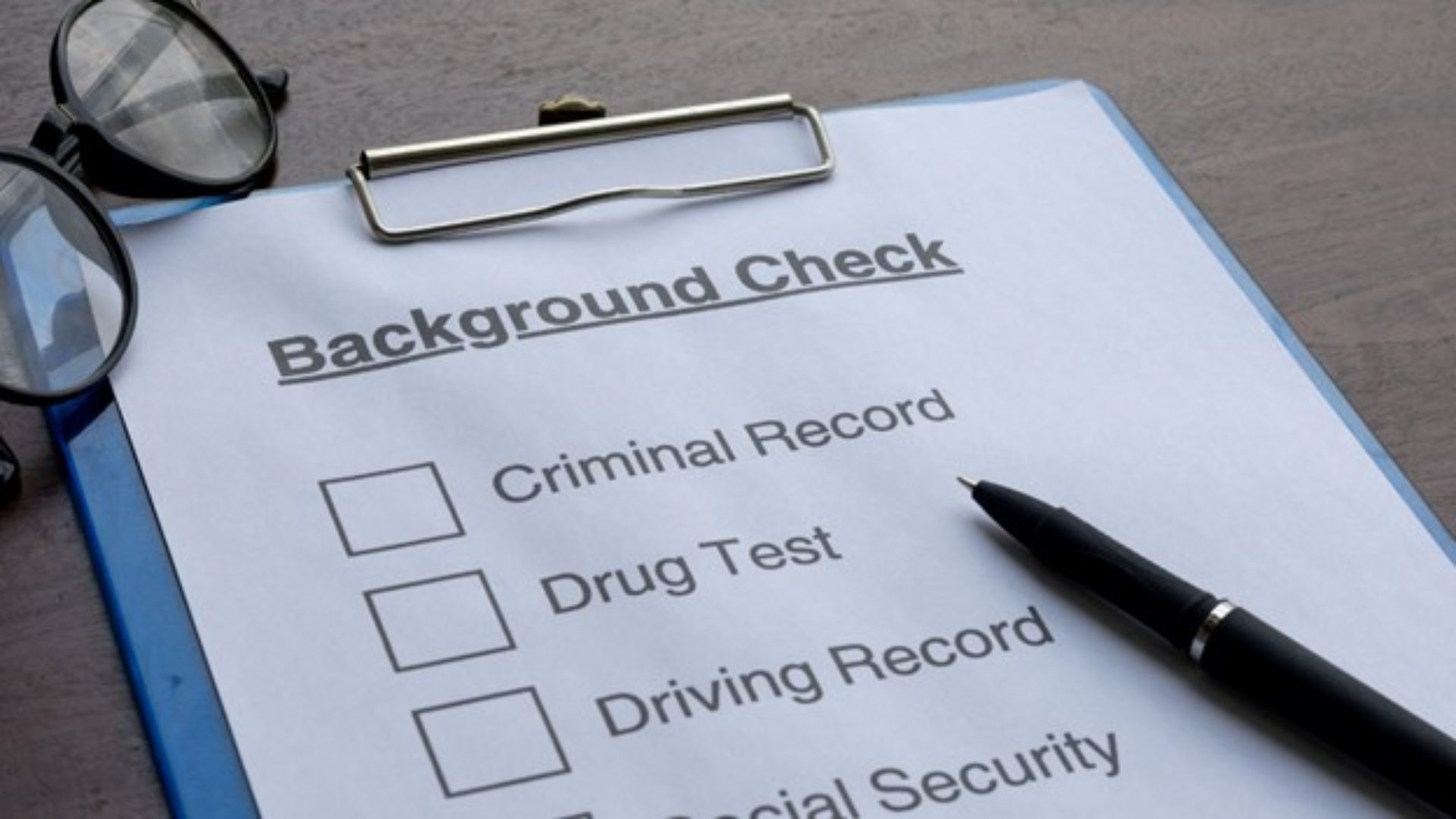
In Florida’s business environment, background checks are a standard component of corporate governance. From healthcare networks in Miami to logistics companies in Tampa and financial firms in Orlando, employers rely on screening systems to manage risk, meet regulatory obligations, and protect brand reputation. Yet many Florida businesses face an underrecognised challenge: criminal-record errors within background-check data.

Arrest records related to dismissed, sealed, or expunged cases often continue to show up in employment screenings. When outdated or incorrect information affects hiring decisions, the consequences extend beyond human resources. It can impact corporate reputation, talent acquisition, compliance risks, and the credibility of leadership within organisations across Florida.

Florida’s Criminal-Record Structure Creates Unique Hiring Risks

Florida is one of the most transparent public-records states in the U.S. Arrest data is widely accessible through:

●Florida Department of Law Enforcement (FDLE) databases

●County clerk and sheriff systems

●Jail and booking records

●Private background-check companies operating nationwide

While this transparency supports public accountability, it also means that arrest information spreads quickly and persists across multiple systems, even when a case is later dismissed or expunged. Many private screening vendors do not automatically update their databases after a Florida court grants relief.

For Florida employers, this creates a structural risk: background-check reports may reflect historical arrest data rather than current legal status under Florida law.

Reputational Risk Begins in the Florida Hiring Process

Employer reputation in Florida is shaped not only by public branding, but by how companies treat candidates during recruitment. When applicants are delayed or rejected due to inaccurate criminal-record data, consequences follow:

●Perceptions of unfair or inconsistent hiring practices

●Damage to employer brand in competitive Florida labor markets

●Negative reviews on employment platforms and social media

●Increased scrutiny from regulators, advocacy groups, and plaintiffs’ attorneys

In a state with a large, mobile workforce and strong competition for skilled labor, repeated background-check disputes can erode trust quickly.

Talent Acquisition Challenges for Florida Businesses

Criminal-record errors directly affect talent acquisition across Florida industries. Qualified candidates may exit hiring pipelines when background-check discrepancies surface, especially if resolution timelines are unclear.

For Florida employers, this results in:

●Shrinking candidate pools

●Longer time-to-hire metrics

●Increased recruitment and onboarding costs

●Loss of experienced and diverse talent

These effects are heightened in regulated sectors in Florida, such as healthcare, finance, education, childcare, transportation, and aviation, where background checks are mandatory, but their interpretation and follow-up remain subjective.

Why Criminal-Record Accuracy Is a Florida Leadership Issue

In Florida, executives agree that background checks are essential. However, the critical concern is whether the data used for these checks is managed accurately under Florida’s legal framework. Inaccuracies in criminal records pose multiple layers of risk:

●Compliance risk, when adverse actions rely on outdated FDLE or county data

●Operational risk, when hiring pipelines stall due to disputes

●Strategic risk occurs when workforce planning excludes legally eligible candidates

●Reputational risk, when hiring decisions appear opaque or unjust

As a result, criminal-record accuracy is increasingly viewed as part of corporate governance and data-management strategy, not merely an HR function.

Bridging the Gap Between Florida Court Outcomes and Screening Data

One of the most misunderstood aspects of Florida hiring is that a court order alone does not guarantee complete record correction. While FDLE and court systems update after expungement or sealing, private screening databases often retain older arrest data.

To address this gap, a specialised segment of legal services in Florida has emerged around removing criminal records from background checks, particularly within private data brokers and commercial screening platforms. Firms such as Erase The Case focus on this post-expungement phase, working to align Florida court outcomes with the information employers actually receive during hiring and onboarding.

For Florida business leaders, awareness of these remediation processes explains why discrepancies persist and highlights how unresolved criminal-record errors can create avoidable hiring delays, compliance exposure, and reputational risk.

Corporate Strategy Implications for Florida Employers

For senior leadership teams operating in Florida, the implications are clear: background-check accuracy should be treated as a strategic input, not a static report.

Florida organisations that proactively address screening accuracy often benefit from:

●Faster and more predictable hiring workflows

●Reduced dispute-resolution and compliance costs

●Stronger employer branding in local labor markets

●Better alignment with fair-chance hiring initiatives

●Increased trust in HR and compliance decision-making

This does not require companies to become legal experts, but it does require executive awareness of how Florida criminal-record data moves across public and private systems.

Final Thoughts

In Florida, the public records environment is highly transparent, making background checks crucial. However, their effectiveness relies significantly on the quality of the data used. Errors in criminal records, especially those related to dismissed or expunged cases, are becoming an increasing challenge for corporate reputation and talent acquisition throughout the state.

As businesses in Florida prioritise transparency, fairness, and brand trust, company leaders need to look beyond the surface of screening reports and consider the systems that generate them. By doing so, organisations can position themselves not only as compliant employers but also as responsible and forward-thinking corporate citizens in Florida’s evolving workforce landscape.

Categories: Advice

Discover Our Awards.

See Awards

You Might Also Like