Back to top

Business Access Control: Why It’s A Practical Investment

Many businesses today are reassessing how they protect their physical spaces, assets, and personnel. While cybersecurity often takes the spotlight,…

Business Access Control: Why It’s A Practical Investment

27th June 2025

Many businesses today are reassessing how they protect their physical spaces, assets, and personnel. While cybersecurity often takes the spotlight, physical security remains a foundational element of business continuity and risk management. Business access control systems are one way companies of all sizes can address these concerns efficiently.

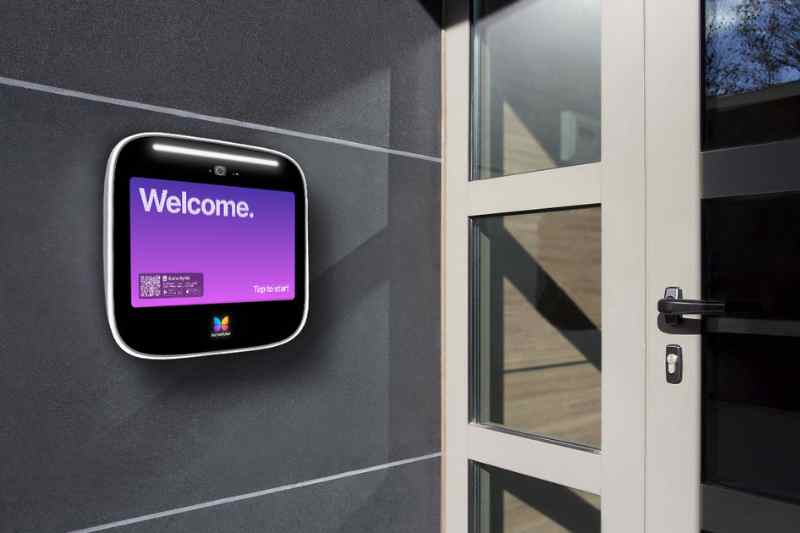
Rather than relying solely on keys or on-site personnel to manage entry points, access control systems use tools such as keycards, mobile credentials, or PIN codes to determine who can enter a building, room, or designated area. More advanced systems also track entry events and allow remote control over door locks. For many businesses, this type of controlled access is no longer a luxury but a basic operational need.

Why Businesses Are Turning to Access Control

1. Managing who can enter and when

Businesses often have a mix of employees, vendors, and visitors entering the premises. Access control allows owners and managers to assign specific permissions based on role or schedule. A part-time employee, for example, may only be allowed to access the building during certain hours, while vendors may be restricted to delivery zones.

2. Reducing the need for physical keys

Lost or copied keys can lead to unnecessary risk. Access control credentials can be updated or revoked without requiring the rekeying of locks. This simplifies administration and enhances overall security.

3. Supporting compliance and reporting

Many industries have to follow regulatory guidelines related to data security, pharmaceutical storage, or customer privacy. An access control system can help ensure that only authorized personnel enter high-sensitivity areas, and audit logs can support compliance reporting during inspections.

4. Integrating with other security systems

Modern access control platforms often integrate with video surveillance, alarms, or visitor management tools. This interconnected approach gives security teams better visibility and more efficient control over a property.

Common Business Use Cases for Access Control

Access control systems are not limited to one type of business. They can be tailored to fit different environments and security priorities. Below are several types of businesses that often benefit from installing these systems.

Office Buildings

Professional service firms and multi-tenant office spaces use access control to manage entry to lobbies, individual suites, and shared amenities. Businesses can issue individual credentials to staff while maintaining common area access for all tenants. Meeting rooms, server rooms, and storage areas can also be restricted to specific teams.

Some platforms enable mobile or cloud-based access, allowing employees to unlock doors using their smartphones. This also makes it easier for office managers to add or remove access remotely when someone is hired or leaves the company.

Warehouses and Industrial Sites

These facilities typically have a range of access points, including delivery bays, storage rooms, and production floors. Access control enables warehouse managers to restrict entry to authorized personnel, particularly in areas where sensitive equipment or high-value inventory is stored.

It also supports workplace safety protocols. For example, only trained or certified staff might be allowed into sections with hazardous materials or machinery. Time-based rules can also ensure that no one is inside the facility after hours unless explicitly permitted.

Retail Businesses

While retailers often rely on surveillance cameras for monitoring, access control can serve as a preventive tool. It can be used to secure stockrooms, cash handling areas, and employee-only exits. This helps reduce internal theft and limits opportunities for unauthorized access.

Retail chains with multiple locations may also benefit from centralized access control management. Administrators can manage credentials across stores without needing to visit each site in person.

Healthcare and Medical Offices

Patient privacy, medication storage, and equipment security are all major concerns in healthcare. Access control systems help ensure that only staff with proper credentials can enter sensitive areas such as exam rooms, records storage, or pharmaceutical cabinets.

Many medical offices also need to track who accessed specific zones and when. Audit trails from the access system can help organizations meet HIPAA or similar regulatory standards.

Educational Institutions and Daycare Centers

Schools and childcare centers use access control to protect students, staff, and property. Entry to the building is often limited to faculty and enrolled families. Some institutions install access control on classroom doors or staff lounges, while others include it at entrances to student dormitories or administrative offices.

These systems may also include visitor management components, where guests must check in or be buzzed in by a staff member after presenting an ID.

What to Consider When Choosing a System

Before selecting an access control system, it’s helpful to assess the size of the property, the number of users, and the level of sensitivity in different areas.

Here are a few key questions to guide the process:

  • How many doors need to be secured? This affects the type of hardware and wiring required.
  • Will users need mobile access, or is a badge system sufficient? Different systems support different credential types.
  • Does the system need to integrate with existing security tools? Some businesses already use camera systems or alarm panels that can be connected to access control software.
  • Who will manage the system? Some businesses prefer in-house control, while others use cloud-based platforms with remote support.
  • Is there a need for reporting or audit logs? Regulatory or internal compliance needs may shape which features are essential.

Conclusion

Access control gives businesses more authority over who can enter a space and when. It reduces dependence on keys, helps prevent internal and external threats, and creates a clear record of building activity. While needs vary by industry, many organizations are finding that the right access control system supports both security and operational efficiency.

As businesses continue to evolve, access control provides a flexible, scalable solution that can adjust alongside their growth and changing priorities.

Categories: Articles, Tech

Discover Our Awards.

See Awards

You Might Also Like