Back to top

Crypto-Asset Investment Structures — Strategies for Navigating the Digital Asset Landscape

The rise of blockchain technology has redefined what’s possible in modern investing. As traditional markets grapple with slow-moving infrastructure, digital…

Crypto-Asset Investment Structures — Strategies for Navigating the Digital Asset Landscape

22nd July 2025

The rise of blockchain technology has redefined what’s possible in modern investing. As traditional markets grapple with slow-moving infrastructure, digital assets have stepped in to offer speed, transparency, and an entirely new investment paradigm. For those managing large portfolios, tailored crypto services for asset managers now make it easier than ever to gain exposure to this fast-evolving ecosystem. But success in crypto investing depends heavily on choosing the right investment structure, and that starts with understanding the assets themselves.

What are the Types of Crypto-Assets?

Before diving into how investments are structured, it’s essential to know what you’re working with. The crypto market is diverse, and different asset types serve different roles within a portfolio:

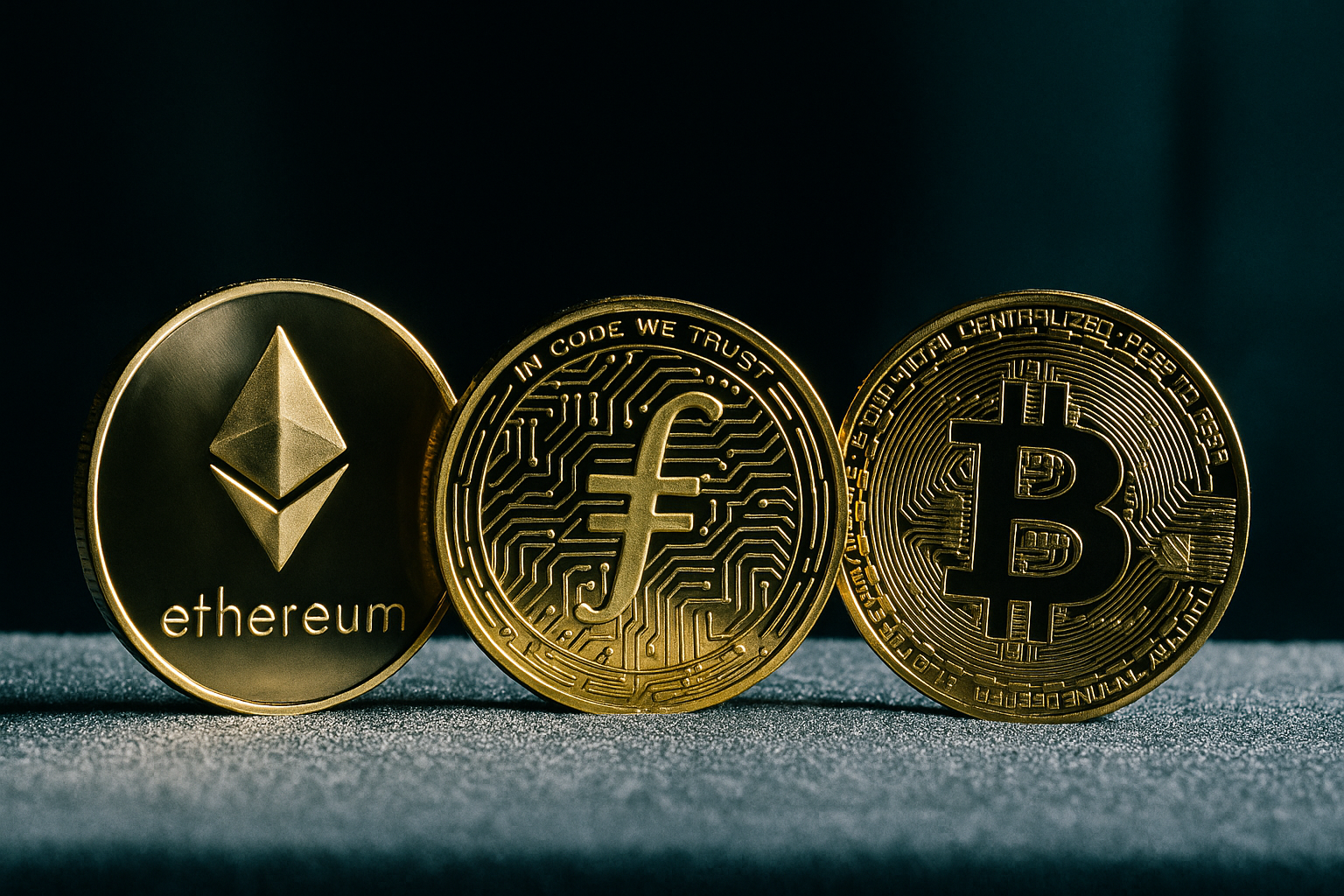
  • Cryptocurrencies like Bitcoin and Ethereum are native to their blockchains. They function as both digital commodities and mediums of exchange. Their utility and store-of-value status make them a common choice for long-term holding.
  • Tokens are digital assets built on existing blockchains (primarily Ethereum). They come in several flavors: utility tokens (access to services), governance tokens (voting rights in protocols), and security tokens (backed by real-world assets).
  • Stablecoins such as USDT and USDC are pegged to fiat currencies and provide a haven during turbulent market conditions. They’re essential tools for risk mitigation and on-chain liquidity.
  • Non-fungible tokens (NFTs) represent unique items, from digital art to tokenized real estate. They carry speculative potential but require careful inspection due to risks like hidden royalties or smart contract vulnerabilities.

Investment Structure Types Explained

Different investors require different frameworks, and the crypto world has responded with a range of crypto-asset investment structures to suit various goals and risk profiles.

Direct ownership remains the most hands-on strategy — buying assets via centralized or decentralized exchanges and holding them in self-custody wallets. It offers full control, but you’re also fully responsible for security and key management.

Crypto-asset funds cater to those preferring a managed approach. These may focus on Bitcoin, diversified baskets, or private equity in blockchain startups. They’re often actively managed and can include hedge fund strategies, offering exposure to growth with reduced operational complexity.

Decentralised finance (DeFi) protocols allow investors to lend, borrow, and earn yield directly through smart contracts. Whether it’s yield farming or liquidity provision, DeFi has become a cornerstone of advanced investment strategies, unlocking access to returns without intermediaries.

Common Risk Management Strategies in Crypto Investments

The crypto space is known for its upside — volatility. That’s why risk management isn’t optional — it’s foundational:

  • Diversification helps spread risk across different asset types. Mixing cryptocurrencies, stablecoins, and tokens ensures that you’re not overexposed to a single market swing.
  • Hedging is another essential tactic. By using derivatives or holding stablecoins during uncertain periods, investors can buffer downside risk and keep dry powder ready for reentry.
  • Security measures like hardware wallets, multi-signature solutions, and cold storage are crucial for those managing their own keys.
  • Regulatory compliance matters too. Staying in line with AML and tax regulations ensures long-term sustainability and opens access to institutional-grade crypto services.

Whether you’re exploring DeFi, building a diversified token portfolio, or allocating capital through crypto-asset funds, structuring your investments wisely is critical. The types of crypto-assets you choose, the investment structure you adopt, and the risk management strategies in crypto investments you apply will shape your experience in the digital asset space.

Categories: Articles

Discover Our Awards.

See Awards

You Might Also Like