Back to top

Electric Cars, Real Crashes: Can America Catch Up With the EV Revolution?

The EV revolution is no longer on the horizon; it’s arrived. Battery vehicles are hitting the roads of entire states…

Electric Cars, Real Crashes: Can America Catch Up With the EV Revolution?

11th July 2025

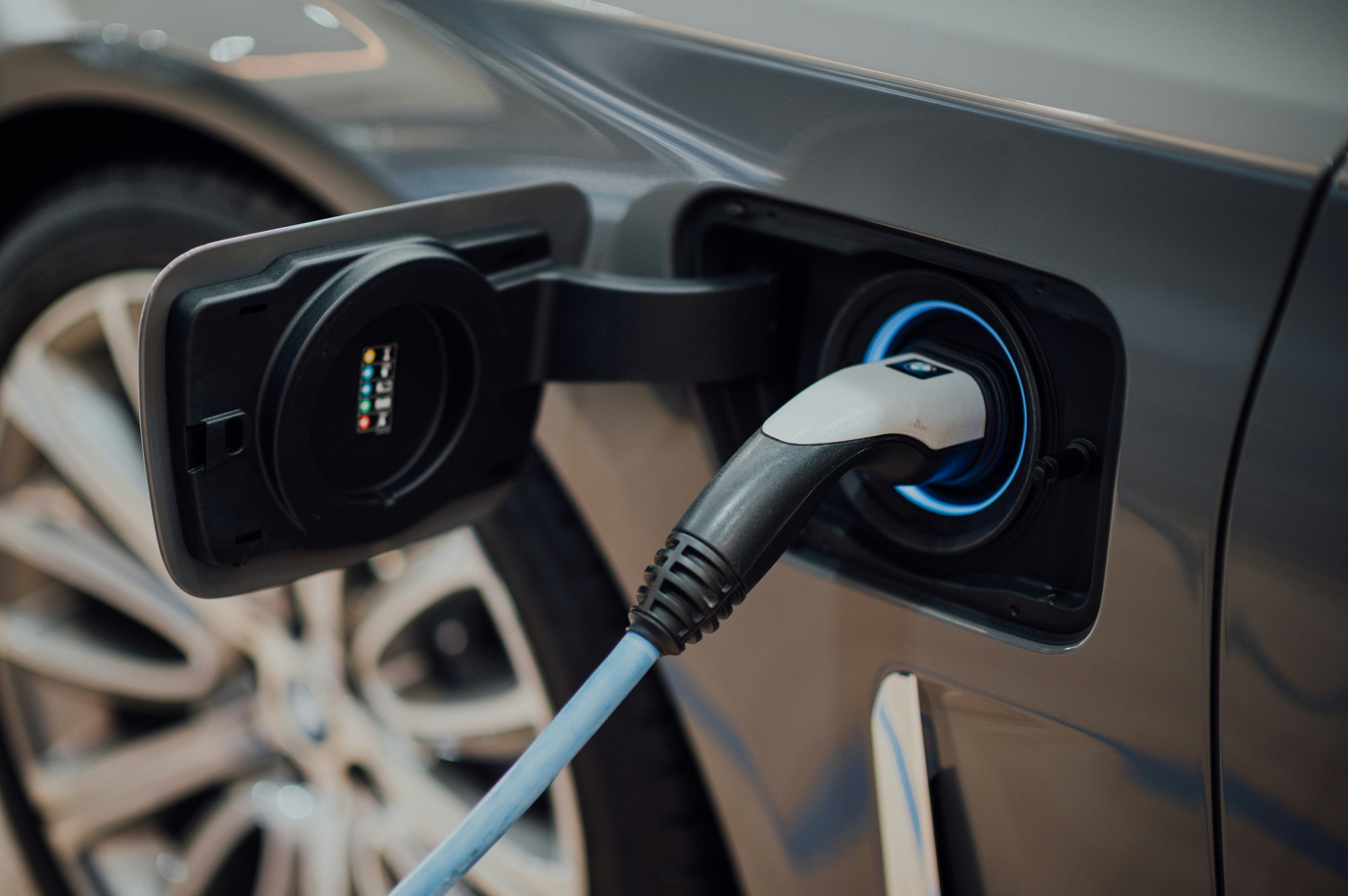
The EV revolution is no longer on the horizon; it’s arrived. Battery vehicles are hitting the roads of entire states faster than most cities can adapt. And while cleaner air and silent streets are part of the deal, another reality is also emerging: one in which our traffic laws, first responders, and roads themselves are lagging.

From Detroit to Florida, Americans are mapping an era of transportation change by the month. What hasn’t changed fast enough? The infrastructure, emergency response systems, and legal protections are necessary to make this shift as safe as possible.

A New Era of Mobility, With New Risks

There is plenty to smile about when it comes to EVs. They don’t roll as easily, are equipped with cutting-edge safety mechanisms, and are typically more fuel-efficient than their gas-guzzling predecessors. But they also have a special list of dangers all their own that most people don’t expect until it’s too late.

For one, they’re much heavier. That matters in a crash. They also accelerate faster and are eerily quiet, which creates a real threat to pedestrians, cyclists, and anyone crossing a parking lot or busy intersection. The silence that makes EVs appealing can also make them dangerous, especially in places with low visibility or distracted foot traffic.

When EVs do crash, the aftermath isn’t always straightforward. Federal regulators like the National Highway Traffic Safety Administration have flagged serious concerns, including battery fires that can reignite hours after a collision. First responders in cities like Detroit have had to upgrade tools, retrain teams, and adjust protocols because what works for a gas-powered sedan doesn’t always work for a lithium-powered SUV.

Our Streets Weren’t Built for This

Let’s be honest: much of America’s infrastructure feels stuck in the past. Roads filled with potholes, traffic signals that don’t sync, and intersections that haven’t changed in decades weren’t designed for the demands of modern EVs. Charging stations are popping up in more places, but not always in the right places. We’ve seen high-powered charging hubs placed near schools, in narrow retail lots, or even in zones with poor pedestrian visibility.

These may seem like minor decisions, but when you combine high-speed, silent cars with areas dense in foot traffic, it’s a recipe for disaster. A recent U.S. Department of Energy report said it plainly: cities with high EV adoption need to move quickly to modernize their road safety plans. If we wait, the risks multiply.

Orlando’s Strategic Response to the Challenges of Electric Vehicles

Interestingly, if you look south to Orlando, there’s a city that’s getting ahead of the curve. With EV adoption climbing, local leaders there are actively retooling everything from emergency response to traffic laws, and it’s making a difference.

Even the legal field is evolving. Louis Berk Law car accident lawyers in Orlando have already taken on cases involving EVs with issues like sudden autonomous braking, battery defects, and silent-impact collisions. These lawsuits reflect a legal system waking up to a whole new category of crash, one that moves faster than old laws can keep up with.

Orlando’s approach is part infrastructure, part legal innovation, and part public awareness. The takeaway? If a city reliant on tourism and chaotic traffic can evolve, so can we.

The Legal System Hasn’t Caught Up With EV Technology

Here’s the hard truth: Many state traffic laws still assume drivers are behind the wheel of gas-guzzling vehicles from 20 years ago. There’s little to no mention of EV-specific issues like regenerative braking, charging station safety, or software-based driving systems.

This gap in legislation leaves too many questions unanswered: Who’s liable when a self-parking EV hits a pedestrian? What protections exist if your battery catches fire after a collision? And how should insurance companies calculate risk for vehicles with built-in driver-assistance systems that malfunction?

The legal confusion slows down justice and puts victims at a disadvantage. That needs to change, fast.

Moving Forward With Eyes Open

The electric future is exciting, no doubt. But the path forward must be smarter. Safer streets. Better laws. Training for emergency crews that reflect the realities of 2025, not 2005.

If we’re ever going to make transportation work for everyone: drivers, pedestrians, first responders, and families, then we can’t just focus on the vehicles themselves. Everything else must be brought up to speed, as well.

It’s not just about keeping up with the EV tide. It’s about not making safety a casualty along the way.

Categories: Articles, Tech

Discover Our Awards.

See Awards

You Might Also Like