Back to top

How Businesses are Adapting Workplace Policies for Employees Facing Advanced Illness

We all know how fragile the human body is, and how serious illness can come without any warning. One diagnosis,…

How Businesses are Adapting Workplace Policies for Employees Facing Advanced Illness

19th January 2026

We all know how fragile the human body is, and how serious illness can come without any warning. One diagnosis, one phone call, and an employee’s working life changes immediately. This reality has pushed the workplace policies of many businesses out of theory and into real, human solutions. Over the past few years, many organisations have taken a hard look at how they support employees who want, and often need, to keep working while managing advanced or long-term illness.

The result of this is a quieter shift toward flexibility, empathy, and clearer responsibility from leadership. This change is driven not just by sentiment, but by retention pressures, legal requirements, and a growing understanding of the crucial connection between health and performance. In this article, we take a deep look at how businesses are adapting workplace policies for employees facing advanced illness.

Work Isn’t the First Thing People Want to Give Up

Some people still believe that when an employee suffers from a serious illness, it means they want to step away from work completely. The reality is that this isn’t always the case. Research from Cancer and Careers found that three in four people undergoing cancer treatment said continuing to work helped them cope.

This is because work provides routine, purpose, income, and a sense of normalcy during an uncertain period. For employers, this has changed the tone of policy conversations. So, the question has shifted from “How long will you be out?” to “How do we make this workable?”

Flexibility has Moved from Perk to Baseline

A lot of support plans are designed and built on flexible work arrangements. One good thing that the COVID-19 pandemic did was remove much of the stigma around remote and hybrid work. As a result, employees with serious illnesses have benefitted most from that shift. Common adjustments include:

  • Remote or hybrid work, allowing employees to manage symptoms or recover at home.
  • Modified schedules, such as later start times or reduced hours during treatment periods.
  • Compressed workweeks, giving longer recovery windows.
  • Intermittent leave, where time off is taken in blocks rather than all at once.

Many of these options already fall under reasonable accommodation under laws like the Family and Medical Leave Act (FMLA) and the Americans with Disabilities Act (ADA). The only difference now is how openly companies now offer them, instead of waiting for formal requests from employees.

When Illness is Advanced, Policies Need More Range

Advanced conditions add another layer of complexity. Employees managing late-stage cancer, neurological conditions, or degenerative diseases may deal with fatigue, pain, and unpredictable setbacks.

For example, someone diagnosed with an advanced cancer such as stage 4 mesothelioma may require ongoing treatment, frequent medical visits, and longer recovery times between work periods. In cases like this, rigid attendance rules or blanket performance metrics often fail. Employers that respond well tend to rely on individualised plans rather than fixed templates.

Personalised Plans are Replacing One-Size Policies

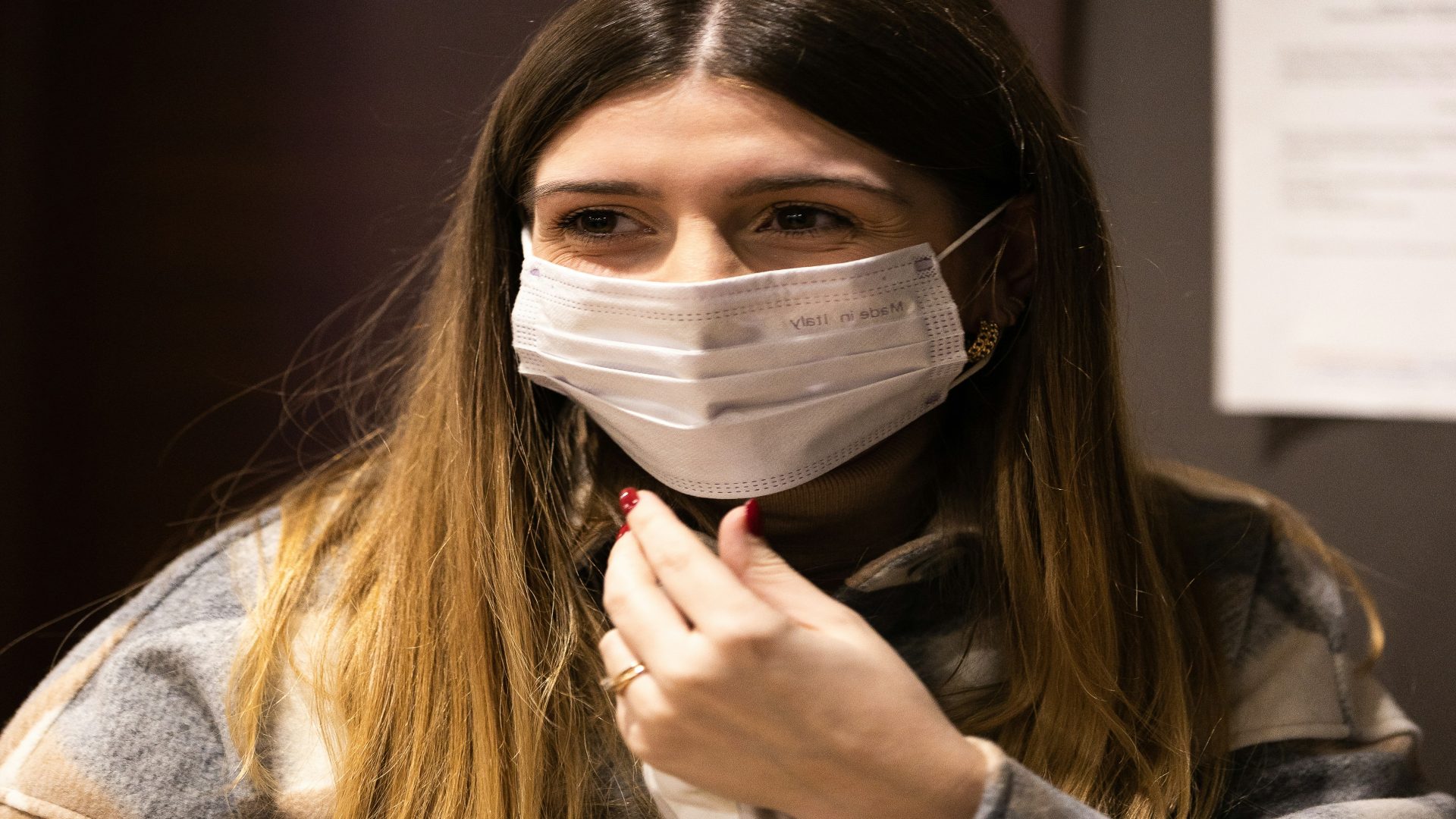
Image by Martine from Pixabay

These days, HR teams are shifting from standardised responses to tailored arrangements that reflect both the role and the person doing it. That process usually includes:

  • A private conversation focused on listening, not assumptions.
  • Clear discussion of current benefits, insurance coverage, and leave options.
  • Input from occupational health professionals where available.
  • Written agreements outlining expectations, check-in points, and review dates.

This approach is best because it protects both sides. The employees know where they stand, and managers avoid confusion or uneven treatment across teams.

Occupational Health is Playing a Larger Role

In order to make the best decisions, large organisations are beginning to rely more on occupational health services. These specialists do not replace medical providers, instead they help in translating health limitations into workplace adjustments. Occupational health input can support:

  • Safe return-to-work planning after long absences
  • Decisions around workload changes or temporary role shifts
  • Guidance on whether continued work is sustainable
  • Fair handling of situations where ill-health retirement may be necessary

This external perspective helps HR and leadership teams to reduce guesswork and limit risk.

Mental Health is No Longer Optional

The body is not just the only place serious illnesses affect. Anxiety, depression, and isolation, which are mental health conditions, are also common. This often happens during long treatment periods of physical illnesses. As a result, businesses have responded by expanding mental health access as part of overall support. Most effective programs include:

  • Employee Assistance Programs offering counseling and financial advice.
  • Mental health days without medical proof requirements.
  • Training for managers to spot warning signs and respond appropriately.
  • Clear communication that mental health care is not career-limiting.

These tools help employees stay connected and supported, even when their physical health fluctuates.

Managers are Being Asked to Lead Differently

A lot of frontline managers were never trained to handle conversations about illness. But that’s changing, as leadership development now includes guidance on privacy, empathy, and communication. Key expectations for managers include:

  • Asking open questions instead of making assumptions.
  • Respecting confidentiality and employee preferences.
  • Avoiding “worst-case” planning unless the employee raises it.
  • Focusing on ability and contribution, not limitation.

A manager who handles one situation well often sets the tone for the rest of the team.

Legal Compliance is Only the Starting Point

In the U.S., the ADA and FMLA provide a legal framework for accommodation and protected leave. However, a lot of employers are choosing to go beyond the minimum requirements. Examples include:

  • Paid medical leave that exceeds statutory limits
  • Leave-sharing programs where coworkers donate PTO
  • Continued benefits coverage during extended absences
  • Gradual transitions instead of forced return-to-work deadlines

These simple but important steps are often less costly than replacing experienced employees. Also, they send a clear signal about the company values to everyone.

Staying Connected is More Important than People Realise

Extended illness can make employees feel invisible, but regular, low-pressure check-ins can help prevent that. Some best practices include:

  • Designating one HR contact for ongoing communication
  • Including remote employees in meetings where possible
  • Updating them on team changes and business news
  • Asking how much contact they want, and adjusting accordingly

With this right amount of balance, companies can keep employees involved without overwhelming them.

Endnote

Global business leaders definitely have no control over how illnesses affect their workforce, but they can control how they respond. The companies getting it right are those willing to slow down, listen, and adapt. They recognise that an employee dealing with serious illness is still an employee, still a professional, and still someone worth supporting. That mindset is shaping a more realistic, more human standard for modern work.

Categories: Advice

Discover Our Awards.

See Awards

You Might Also Like