Back to top

How Important is Color Management Software for Your Print Operations?

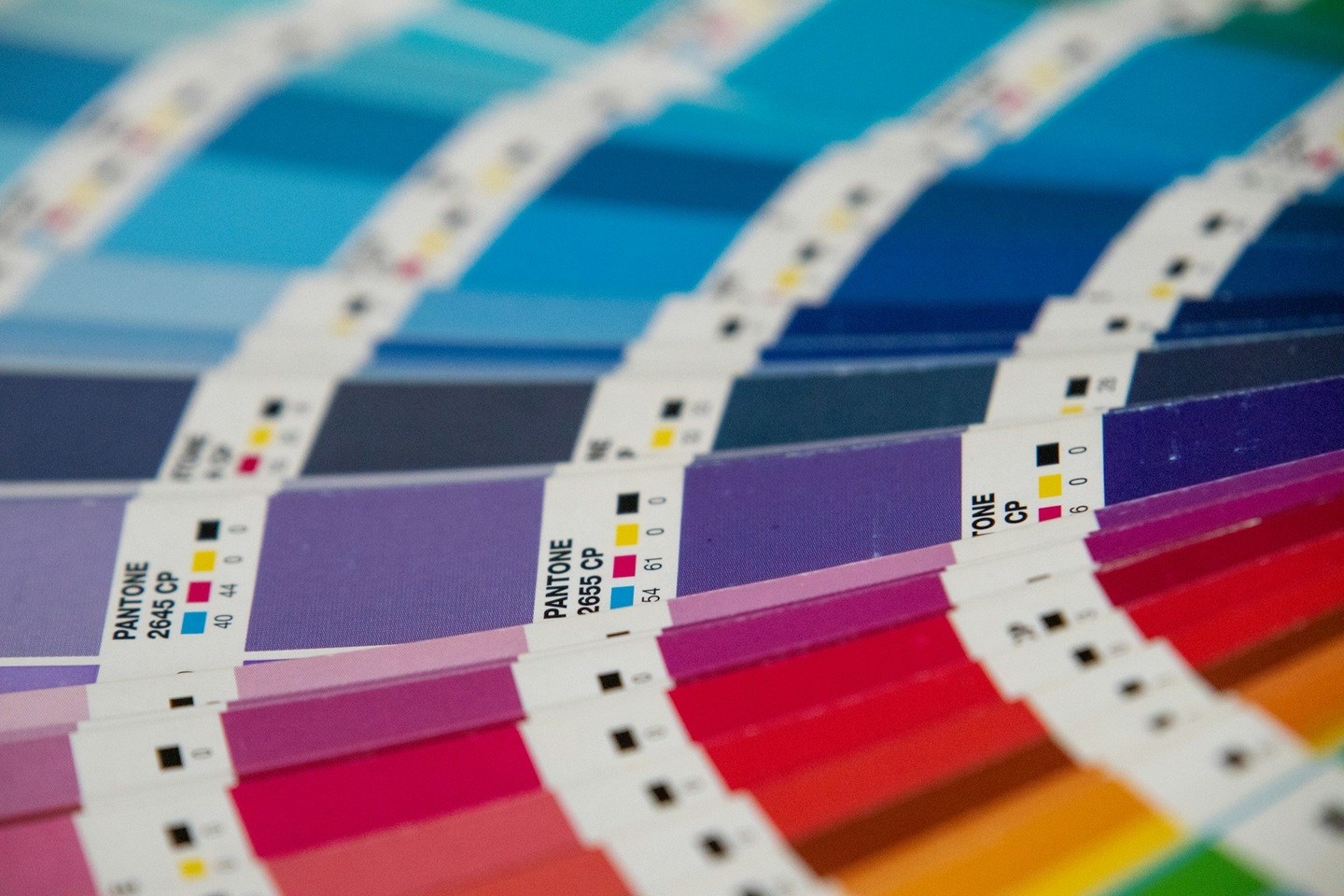
(Photo by Bent Van Aeken on Unsplash) Matching a client’s screen design to the final printed product remains a persistent…

How Important is Color Management Software for Your Print Operations?

19th August 2026

(Photo by Bent Van Aeken on Unsplash)

Matching a client’s screen design to the final printed product remains a persistent challenge in commercial printing. Different presses, substrates and inks can produce variations in color output, which makes consistency difficult to achieve.

Color management software bridges this gap by providing the technical framework needed to control and predict accuracy throughout the print process, helping operations reduce costly reprints while meeting customer expectations.

The Financial Cost of Inaccurate Color Matches

Commercial print operations face significant financial strain when color accuracy falls short. Rejected jobs demand complete reprints, consuming additional press time and delaying scheduled work while driving up material costs. Print providers who deliver off-spec brand colors face a dual burden of covering reprint expenses while risking long-term client relationships.

The scale of potential waste becomes clear when considering industry patterns. Global consumption reached approximately 84 million tons of printing and writing paper in 2024, which shows why minimizing excess directly affects profitability.

Measuring color accuracy throughout the workflow helps printers identify problems before completing an entire run, avoiding the costly scenario of discovering issues only after thousands of impressions have been produced.

The Benefits and Role of Color Management Technology

Advanced software solutions address the financial and operational challenges that result from inconsistent color output. Print operations producing work across multiple locations face particular difficulty maintaining uniform results without standardized control systems.

Ensuring Brand Integrity Across Runs

Inconsistent color across different production runs can damage a client’s brand identity. Corporate customers expect their logos and packaging to maintain visual consistency between jobs, no matter which press handled the work. Research shows that color influences brand recognition by up to 80%, affecting purchase intent and emotional associations with companies.

The International Color Consortium (ICC) profiles and standardized color targets help reproduce approved shades accurately across different devices and substrates. With these technical standards in place, predictable results become achievable regardless of equipment variations. Brands with strict requirements benefit from reliable color management that strengthens customer confidence.

Reducing Waste and Environmental Impact

Software-driven controls minimize the need to run constant trial prints during job setup. Without proper management, operators attempt to match target specifications through manual adjustment, consuming ink and substrate with each iteration. Accurate profiles and earlier verification help teams achieve acceptable results with fewer makeready adjustments.

Emissions that result primarily from evaporation of organic solvents contained in inks increase with every trial print, which makes manual color-matching approaches particularly wasteful. Precise color management software reduces these iterative adjustments, supporting company sustainability targets while improving bottom-line performance.

Establishing Predictable Workflows

From design through final output, modern platforms establish frameworks that make results predictable. Industry specifications such as the Printing United Alliance’s General Requirements for Applications in Commercial Offset Lithography ensure consistent output and support quality control across commercial printing environments. When color processes follow documented standards, team members understand expected outcomes before full manufacturing begins.

Automation features also reduce repetitive manual adjustments while improving consistency between different staff members and shifts. Predictable workflows shorten setup times and simplify planning, particularly when jobs move between different presses or sites.

Top Color Management Software Solutions for Printers

Three established providers serve professional print production environments with comprehensive platforms.

1. FUJIFILM Business Innovation Division

The FUJIFILM Business Innovation Division is a leading partner for printers seeking technically advanced solutions backed by substantial research investment. Fujifilm supports G7 alignment and automated device-link profile creation through ColorPath SYNC. The user interface provides one location to manage color for multiple output devices, media and workflows.

The platform’s investment in research and development also demonstrates a commitment to helping customers make more from their designs. It offers greater automation and centralized control over color production.

Key Features

  • Controls color standards across multiple devices and locations from a single interface
  • Generates device-link profiles efficiently to reduce manual setup time

2. Fiery

Fiery Color Profiler Suite focuses on professional digital printing with capabilities spanning ICC profile creation, printer calibration and profile optimization. The platform integrates efficiently with Fiery-driven workflows, streamlining color management for existing operations.

Digital printers managing multiple devices and substrates find particular value in this solution. Its advanced calibration features also maintain color accuracy as equipment ages and printing conditions change over time.

Key Features

  • Fine-tunes ICC profiles to maximize color accuracy for specific substrate combinations
  • Maintains consistent output through systematic printer calibration workflows

3. Esko

Esko provides color management solutions designed for package printing, labels and professional production. The platform includes tools for managing brand-specific hues and extended color gamut printing.

Packaging operations benefit from Esko’s ability to translate specified brand standards into achievable targets across different printing technologies. Its broader workflow ecosystem supports converters managing complex projects that require tight coordination between design approval and production execution.

Key Features

  • Accurately reproduces brand-specific spot colors across runs
  • Manages colors in expanded gamut workflows to reduce ink inventory needs

Methodology for Evaluating Top Software Solutions

Platforms offering color management software should be evaluated according to capabilities that directly affect production quality and operational scalability. Companies appear on this list because they demonstrate:

  • Workflow efficiency: Streamlined processes that reduce setup time and minimize manual intervention
  • Color accuracy: Proven ability to achieve and maintain color targets across devices and substrates
  • Consistency across devices: Reliable reproduction of standards regardless of equipment variations
  • Profiling and calibration capabilities: Comprehensive tools for creating and maintaining accurate device profiles
  • Efficient automation and integration: Features that reduce repetitive tasks while working efficiently with existing systems
  • Scalability: Architecture that supports growth across multiple locations and expanding equipment inventories

Optimizing Printing Presses With the Right Software

The decision to implement color management software represents more than a technology upgrade. Print operations that select platforms aligned with their press configurations and customer demands gain measurable advantages in efficiency and client satisfaction.

Evaluating solutions against specific operational needs positions businesses to make more from every job while building the foundation for sustainable growth.

Categories: Tech

Our awards

Discover Our Awards.

See Awards

You Might Also Like