Back to top

How Leaders Make Decisions Under Pressure

In this exclusive interview Jon Heaver shares his insights on decision-making under pressure, building disciplined habits and how leaders can…

How Leaders Make Decisions Under Pressure

18th March 2026

Jon Heaver

This exclusive interview with John Heaver was conducted by Tabish Ali of the Motivational Speakers Agency.

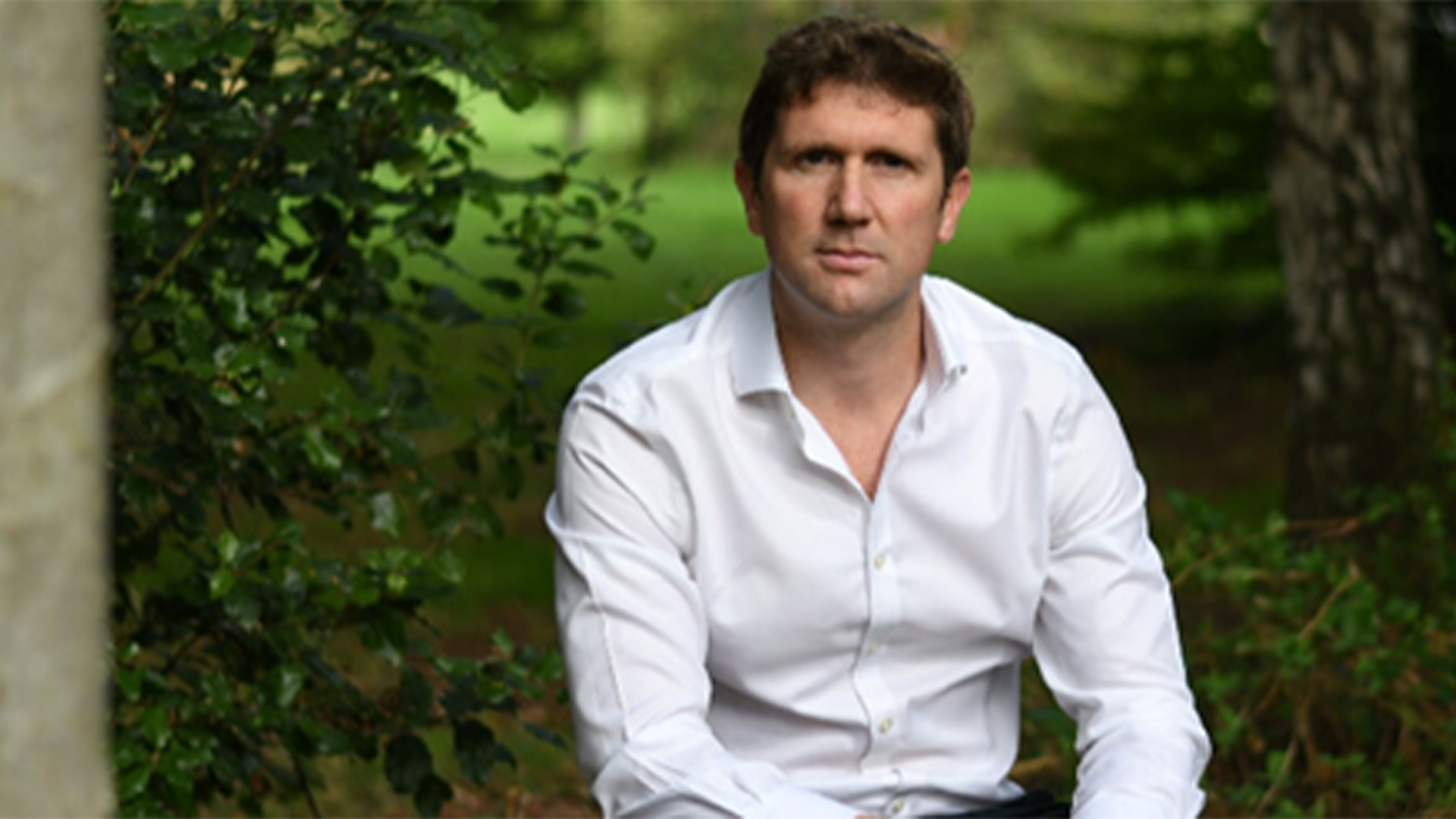
Jon Heaver is an accomplished leadership speaker, former Royal Marines Officer and business strategist whose career spans frontline military command and senior roles in global financial services. Commissioned into the Royal Marines at just 19, he led teams on operational tours in Afghanistan before going on to train the next generation of Royal Marines officers.

After leaving the military, Jon moved into the corporate world, holding senior leadership roles at Barclays where he worked across strategy, transformation and economic crime programmes while leading global teams through complex change.

Today, he combines lessons from the battlefield and the boardroom to speak on trust, resilience and high-performance leadership.

In this exclusive interview with High Performance Speakers Agency, Jon Heaver shares his insights on decision-making under pressure, building disciplined habits and how leaders can develop teams that perform with clarity and purpose.

Q1. Leaders are often required to make decisions under intense pressure. What principles help you remain clear and decisive in those moments?

John Heaver: “Pressure doesn’t change how you make decisions. It reveals how prepared you are or your willingness to do something in that moment.

“In the Royal Marines, we use a framework called the ugly, for example: observe, orientate, decide and then act. It’s about staying calm, scanning for new facts, new data points and then acting decisively even when that information is imperfect.

“The secret source therefore is clarity of your purpose. When you’re clear on the overall mission, whether that’s storming a fort against a heavily armed enemy or supporting a client in a complex unrealistic expectation or trying to drive a local community project, you can move more quickly and confidently knowing your why and what you’re aiming to achieve.

“If that clarity and purpose isn’t there, it’s going to create chaos. People won’t know which bridge to attack. Someone’s going to get hurt. A client will have unrealistic expectations which will lead to greater cost and delayed timeline or the classic example in the community where you put the children’s playground in the wrong area.

“I’ve seen it all. So, to summarize that pressure is inevitable as a leader. That’s heavy at the head that wears the crown. That’s what we’ve signed up for. However, planning is optional as it will depend on how well prepared you are to make a decision, especially when others are looking at you to make the decision when it gets done.”

Q2. High-performing teams are often under constant pressure to deliver. How can organisations balance strong performance with proper recovery and rest?

John Heaver: “In elite level sport, I’ve learned that recovery is part of your overall performance. It is not separate from it at all. You can’t sustain peak athletic performance without recovery.

“In the corporate world, that means creating rhythms to your approach to work, to your BAU, periods of hard push followed by reflection and dedicated reset periods.

“Leaders need to set that tone by role modelling and championing that balance. As a junior leader in a corporate environment, when I was working from my phone whilst on holiday, I realized that I’d set the wrong tone with my work colleagues as they assumed I didn’t trust them when I was on holiday.

“What I’ve learned is that by stepping away properly has been the greatest tool to not only recover myself, health, mind, well-being physically, but I’m more present with my family.

“What that allows for in the workplace is the team to get on with the job, allowing them to grow.

“The best team that I’ve led understood that high performance is all part of that cycle of constant being able to adapt.

“You’re preparing, you’re performing and executing on stage or doing the things you’re training to do, but then there’s a period of recovery. Ultimately, you’ve got to learn from that.

“So, it’s the how do I improve, how do I reflect, what are the lessons learned from that. The individuals and collective teams all need to go through that cycle.

“As a leader, knowing where your teams are on that cycle, both individually and as a team, who needs the break, what team has been doing this the longest, is important to rotate them through.

“If you miss any one of those stages because we’re all aspiring to move 100 miles an hour and do everything to the best of our abilities, then the whole system breaks down, and it will unravel all that hard and trust and it will degrade the output of the team.”

Q3. Discipline is a cornerstone of effective leadership. What daily habits help you maintain focus and consistency?

John Heaver: “For me without doubt it’s all about structure and intent.

“Every day starts with a purposeful structure, micro actions. My personal training structure, for example, keeps my mind sharp or my energy focused.

“My training plan has a goal. I have an event booked at the end of January. I’ll work back on that, structuring my weeks and my days in order for me to build up to achieve that goal.

“Other things I’ve done is I’ve always planned my day the night before whether that be my own physical training, family time or setting the business priorities that need to be completed that day which will then make up week activities.

“I find that ruthless prioritization of those tasks and the new ones coming in and then time blocking my own calendar will really help me by holding me accountable to my own plan.

“That’s all supported with micro habits built up over many years such as laying out my sports kit the night before or physically inputting into my calendar that I have a parents evening next week and I needed to work from home that day in order to get to parents evening on time which would keep me accountable and make sure that my priorities don’t change.

“With all of that I need to be ruthlessly protective over my time not just for reflection and personal growth but ensuring me as a leader I remain flexible to the demands of the real world not just my family but my chief priorities which are all going to change.

“So, I say the secret source of balancing all of that is consistency in those micro habits, just doing the same thing.

“It isn’t about extreme changes. It’s about doing the basics and doing them well every day even when no one is watching.

“That comes from my time in the Royal Marines which at a very early age built into me and it stuck with me in everything that I’ve done.

“Excellence is a habit. It was not a one-off event.”

Categories: Advice, Articles

Our awards

Discover Our Awards.

See Awards

You Might Also Like