Back to top

How to Plan Your First Commercial Import from China

China is one of the UK’s largest sources of imported goods, giving businesses access to manufacturers and suppliers across a…

How to Plan Your First Commercial Import from China

28th September 2026

China is one of the UK’s largest sources of imported goods, giving businesses access to manufacturers and suppliers across a wide range of sectors. According to the UK Government’s latest trade statistics, China accounted for 11.1% of UK goods imports in 2025.

For a business importing from China for the first time, placing an order is only the beginning. Supplier readiness, shipping responsibilities, freight arrangements, customs documentation and final delivery in the UK all need to be considered before the goods start their journey.

Planning these stages together can help reduce avoidable delays and unexpected charges. This guide explains the main decisions businesses should make when organising their first commercial import from China.

Confirm the Supplier, Product and Order Details

Before arranging freight, businesses should make sure the order is final and the supplier is genuinely ready to ship. Changes to quantities, packaging or production dates after transport has been booked can lead to rebooking, extra costs or delays.

Before collection is arranged, confirm:

  • Product and order details: Check the final specifications, quantities and number of cartons or pallets.
  • Weight and dimensions: Make sure the freight booking is based on the final packed shipment rather than an earlier estimate.
  • Packing arrangements: Confirm that the goods are suitably packed for international transport.
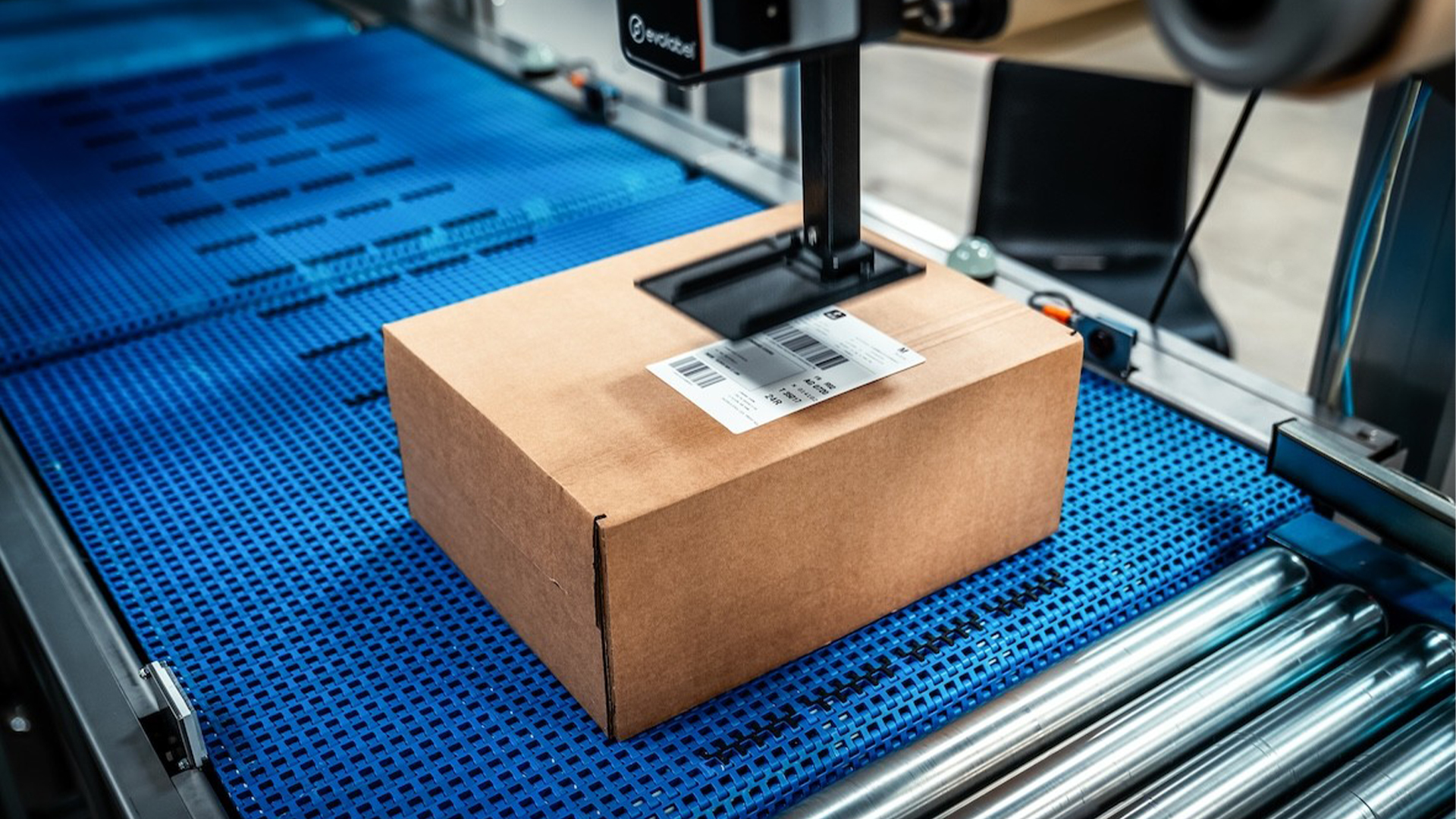
  • Commercial documents: Check that the supplier can provide the paperwork needed for export and UK customs.

GOV.UK’s freight forwarding guidance notes that documents can include invoices, packing lists and licences.

The supplier’s ready date is particularly important. A production completion estimate is not always the same as a confirmed collection date, so importers should avoid building the delivery schedule around an unconfirmed factory deadline.

Agree Shipping Responsibilities Before You Buy

Before placing the order, the buyer and supplier should be clear about who is responsible for each stage of the shipment. This is normally set out using Incoterms® 2020, the international rules published by the International Chamber of Commerce that define how key costs, risks and responsibilities are divided between buyers and sellers.

The agreed Incoterm can affect the final landed cost. Depending on the terms used, the supplier may arrange transport to a particular point, while the UK importer becomes responsible for the main freight journey, insurance, customs charges or onward delivery.

First-time importers should avoid choosing an Incoterm simply because the supplier offers it as standard. Checking exactly what is included in the quoted price makes it easier to compare supplier offers and identify which costs still need to be arranged separately.

Choose the Right Freight Method and Allow Enough Time

Once the order details and buying terms are agreed, the next step is deciding how the goods will travel from China to the UK. The right option depends on shipment size and weight, urgency and budget.

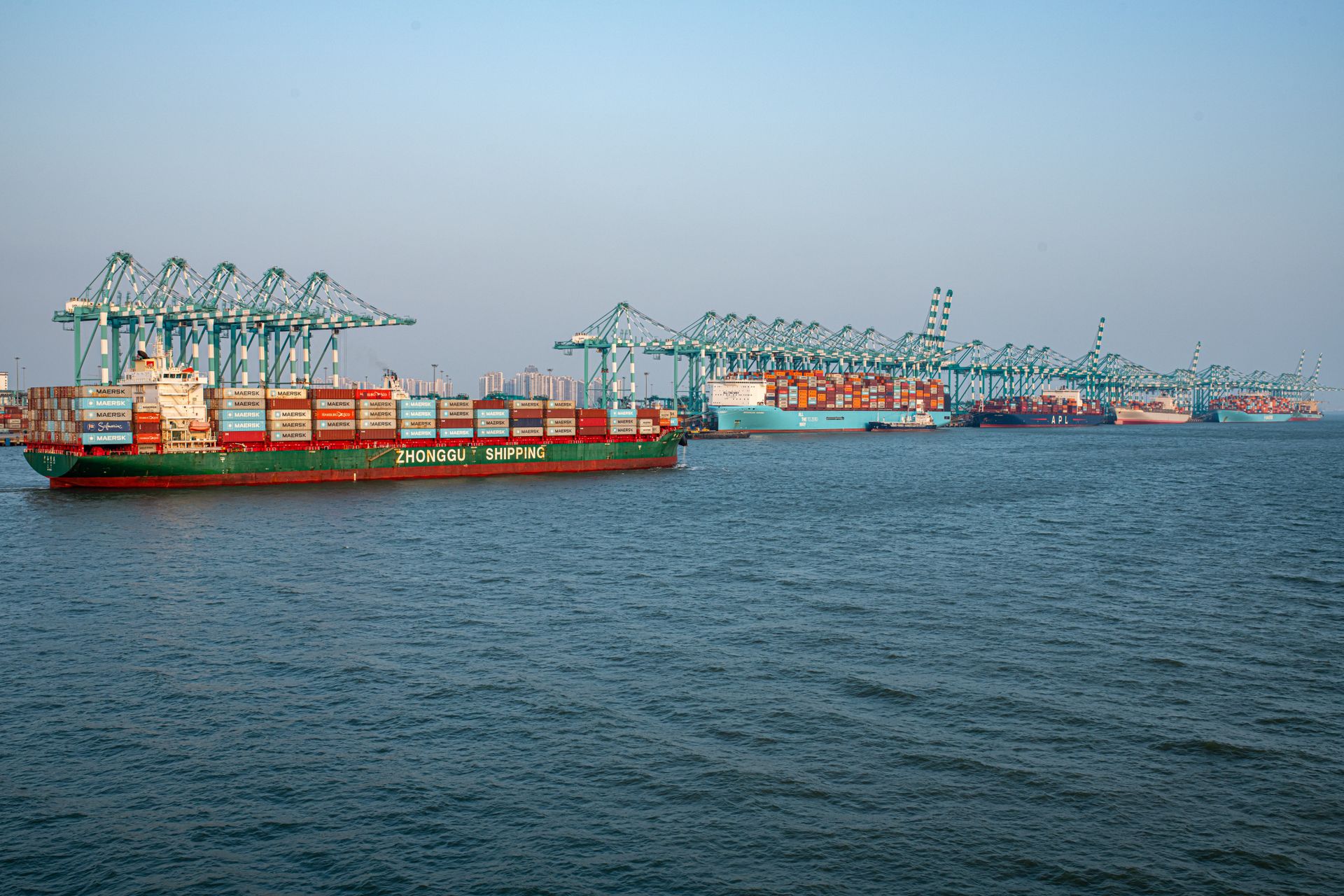
Sea freight from China to UK is often suitable for larger or less urgent commercial shipments. Businesses can use FCL when they need a full container or LCL when their goods only require part of the available space.

For more time-sensitive consignments, fast air freight China can provide a quicker alternative, with goods moved as consolidated air freight. Rail freight provides another option specifically for imports from China.

Quoted transit time should not be treated as the full delivery schedule. Importers also need to allow for supplier collection, handling, consolidation where relevant, customs formalities and final UK delivery. Fixed production, launch or stock replenishment deadlines should therefore be shared before booking.

Prepare for UK Customs Before the Goods Leave China

Customs requirements should be checked before the shipment departs. Some of the main information and documents to prepare include:

  • Commercial invoice: Clearly describe the goods, their value and the buyer and seller.
  • Packing list: Make sure quantities, weights and packaging match the physical shipment.
  • Commodity codes: Use the correct classification to determine duties, taxes and whether additional controls apply.
  • EORI number: Make sure the business has the appropriate EORI number where required for the import.

GOV.UK provides guidance on finding commodity codes for imports.

Getting this information ready early gives the freight forwarder and customs agent more time to identify missing or inconsistent details before they cause delays.

Plan the Import as One Complete Process

A successful first import depends on more than choosing a freight service. Supplier readiness, buying terms, transport, documentation and UK delivery all need to work together.

Planning these stages before the goods leave China can help businesses avoid preventable delays, control costs more effectively and approach future imports with a clearer and more repeatable process.

Categories: Logistics

Our awards

Discover Our Awards.

See Awards

You Might Also Like