Back to top

Influencer Marketing Faces Trust Decline as Audiences Demand Authenticity and Transparency

Adobe Express surveyed 2,000 Brits to uncover how much trust consumers place in influencer posts and reviews across the UK,…

Influencer Marketing Faces Trust Decline as Audiences Demand Authenticity and Transparency

20th January 2026

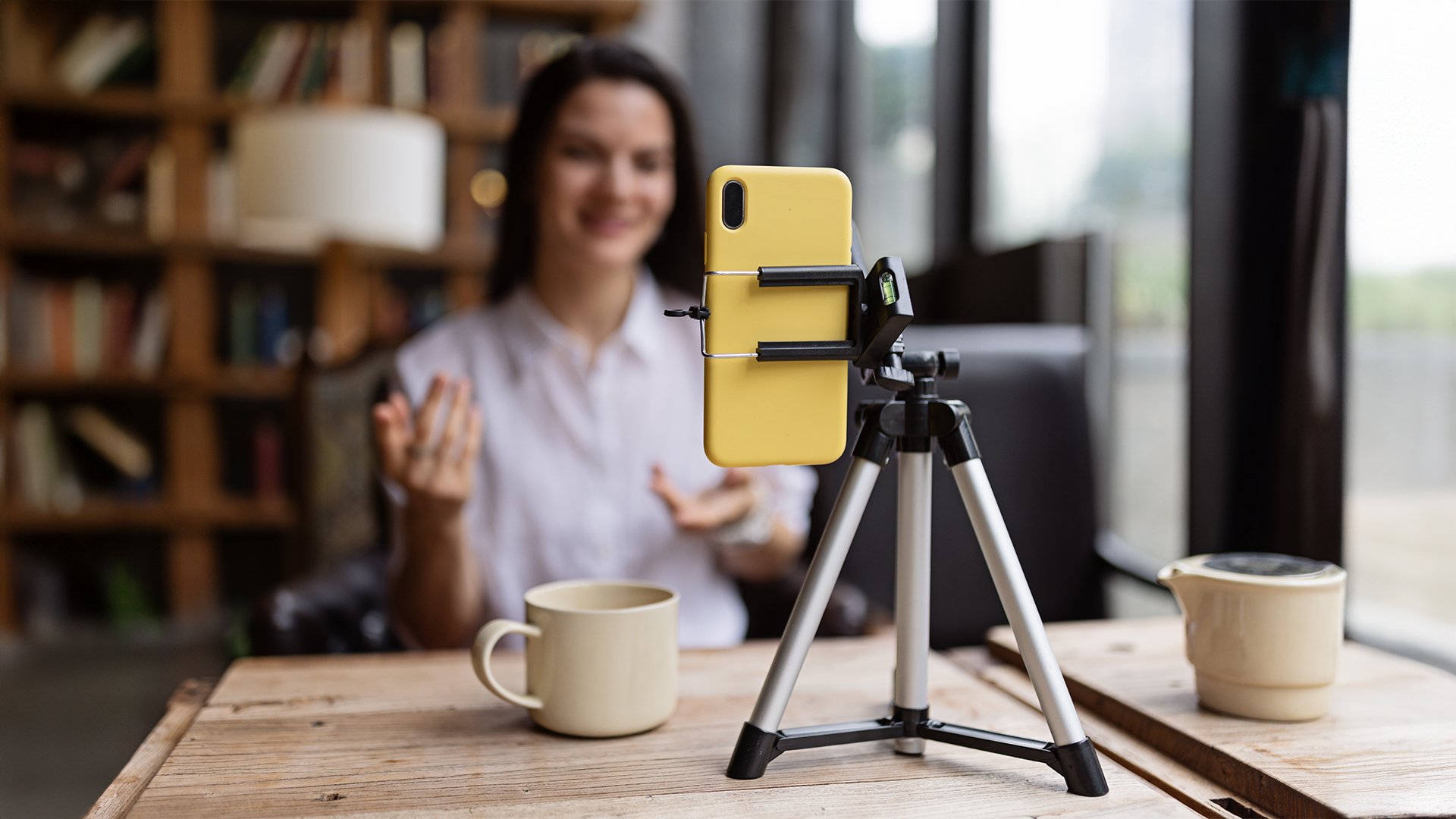
Happy young Caucasian millennial or gen z woman with long brunette hair streaming with smart phone
  • Adobe Express has explored which social media platforms Brits use most, what makes audiences trust influencers, and the key behaviours that cause that trust to break down.
  • Just under half (44%) of people say they stop trusting influencers if they seem fake or overly scripted.
  • Around half of Brits (49%) say their trust drops significantly if influencers fail to clearly disclose paid partnerships.
  • Regional trust in influencers vary widely, with London being the most trusting (42% say influencers are honest) and the South West being the most sceptical (37% say they are dishonest).

Influencers now play a major role in shaping what people watch, buy and talk about online, but public confidence in their content is shifting.

Adobe Express surveyed 2,000 Brits to uncover how much trust consumers place in influencer posts and reviews across the UK, revealing whether creators are still seen as credible voices, or if scepticism is increasingly defining the way audiences engage with them.

The social media platforms most used by Brits

Facebook continues to dominate social media in the UK, with 6 in 10 (60%) Brits logging on regularly, but TikTok is rapidly closing the gap, used by around half of the population. Usage between the apps differs most clearly by age and gender, with 8 in 10 (80%) Gen Z naming TikTok as their go-to platform, while nearly 7 in 10 (70%) Millennials still favour Facebook. Women are also more likely to use TikTok than men, with 6 in 10 (60%) saying it’s their most-used channel compared to 4 in 10 (40%) men.

What makes audiences trust an influencer?

When it comes to what makes an influencer trustworthy, balanced and authentic content leads the way. Just over a third of Brits (34%) say they trust influencers most when reviews feel balanced, while a similar number (33%) feel more confident when creators actually use the products they promote. Women are especially convinced by this, with 4 in 10 (40%) saying they trust influencers more when they show real product use, whereas men place greater value on expertise and experience. Trust cues also differ across generations, with Gen Z responding most to genuine engagement, while Millennials and Boomers prioritise balanced reviews.

When it comes to checking the credibility of influencer recommendations, most people aren’t taking content at face value. Just over 4 in 10 (40%) Brits say they look up a product after seeing it promoted online, while 1 in 5 (20%) admit they don’t research it at all. Men are slightly more likely to verify a product than women (44% vs 41%), and Millennials emerge as the most cautious group, proving the most likely to dig deeper before deciding whether to buy.

Around half of Brits (49%) also say their trust drops sharply when influencers fail to clearly disclose paid partnerships, and men feel slightly more strongly about this than women (53% vs 46%). Boomers place the highest value on openness, with 56% saying disclosure is essential, while Gen Z are the least concerned, with only 4 in 10 (40%) prioritising it. Regionally, respondents in the West Midlands stand out as the most likely to view clear partnership disclosure as crucial.

What makes audiences stop trusting an influencer?

Audiences are quick to switch off when influencer content stops feeling genuine. Just under half of people (44%) say they will lose trust if an influencer seems fake or overly scripted, while 36% would disengage if recommendations appear purely profit-driven. For 4 in 10 (40%)  Gen X, profit-motivated content is the biggest red flag of all.

How do different regions in the UK feel about influencers? 

RegionThey think influencers are honestNeutralsThey think influencers are dishonest
Scotland34%33%33%
North West39%28%33%
North East32%29%39%
Northern Ireland35%26%33%
Yorkshire & Humberside29%36%35%
West Midlands39%35%26%
East Midlands36%31%33%
Wales33%36%31%
Eastern England32%36%32%
South West27%36%37%
South East30%33%34%
Greater London42%29%29%

Attitudes toward influencers vary sharply across the UK. Londoners are the most trusting, with 42% saying influencers are honest, while the South West and North East show the highest scepticism, with 37% and 39% respectively calling influencers dishonest. Northern Ireland stands out for its sensitivity to inauthentic content, with 53% saying they would stop trusting influencers who appear fake or overly scripted.

Regional behaviours also differ, as Scots (35%) place high value on transparency around sponsorships, while nearly 4 in 10 (40%) people in the Northwest trust influencers more when they show they use the products they promote.

Adobe Express shares expert tips on how influencers can build trust:

Be transparent

Authentic, balanced content performs better than posts that feel overly curated or promotional. To build genuine connections with your followers, start by sharing honest, meaningful insights. And always disclose sponsored content, affiliate links, and partnerships across your channels.

Being transparent not only builds trust, but it allows you to establish yourself as a reliable voice in your niche.

Showcase genuine product use

People trust what they can see, and influencers who demonstrate how they use the products they’re promoting naturally inspire more confidence. From polished pictures to short-form videos, create create scroll-stopping posts of product usage that capture attention.  Consider tutorials, unboxing and daily life demonstrations.

Maintain consistent branding 

From your profile picture​ to your overall feed aesthetic, maintaining consistent branding helps followers recognise you at a glance. This familiarity builds credibility and encourages long-term engagement.

If you’d like to find out more about how Brits feel towards influencers, please follow- https://www.adobe.com/uk/express/learn/blog/the-influencer-trust-index 

Categories: Articles, Creative

Discover Our Awards.

See Awards

You Might Also Like