Back to top

Small Workplace Wellness Changes That Reduce Healthcare Costs

Healthcare costs keep climbing, and most companies feel the pressure on their bottom line. Many business owners and HR professionals…

Small Workplace Wellness Changes That Reduce Healthcare Costs

29th October 2025

Healthcare costs keep climbing, and most companies feel the pressure on their bottom line. Many business owners and HR professionals assume that creating a wellness-focused workplace requires expensive gym memberships, elaborate programs, or massive budget increases. The reality is much simpler. Small, strategic changes to your office environment can significantly improve employee health while reducing your healthcare expenses.

The key is focusing on prevention instead of treatment. When you make healthy choices easier for your employees throughout their workday, you reduce the likelihood of costly chronic conditions developing down the road. Better yet, these changes often cost less than you think.

Rethinking What’s in Your Break Room

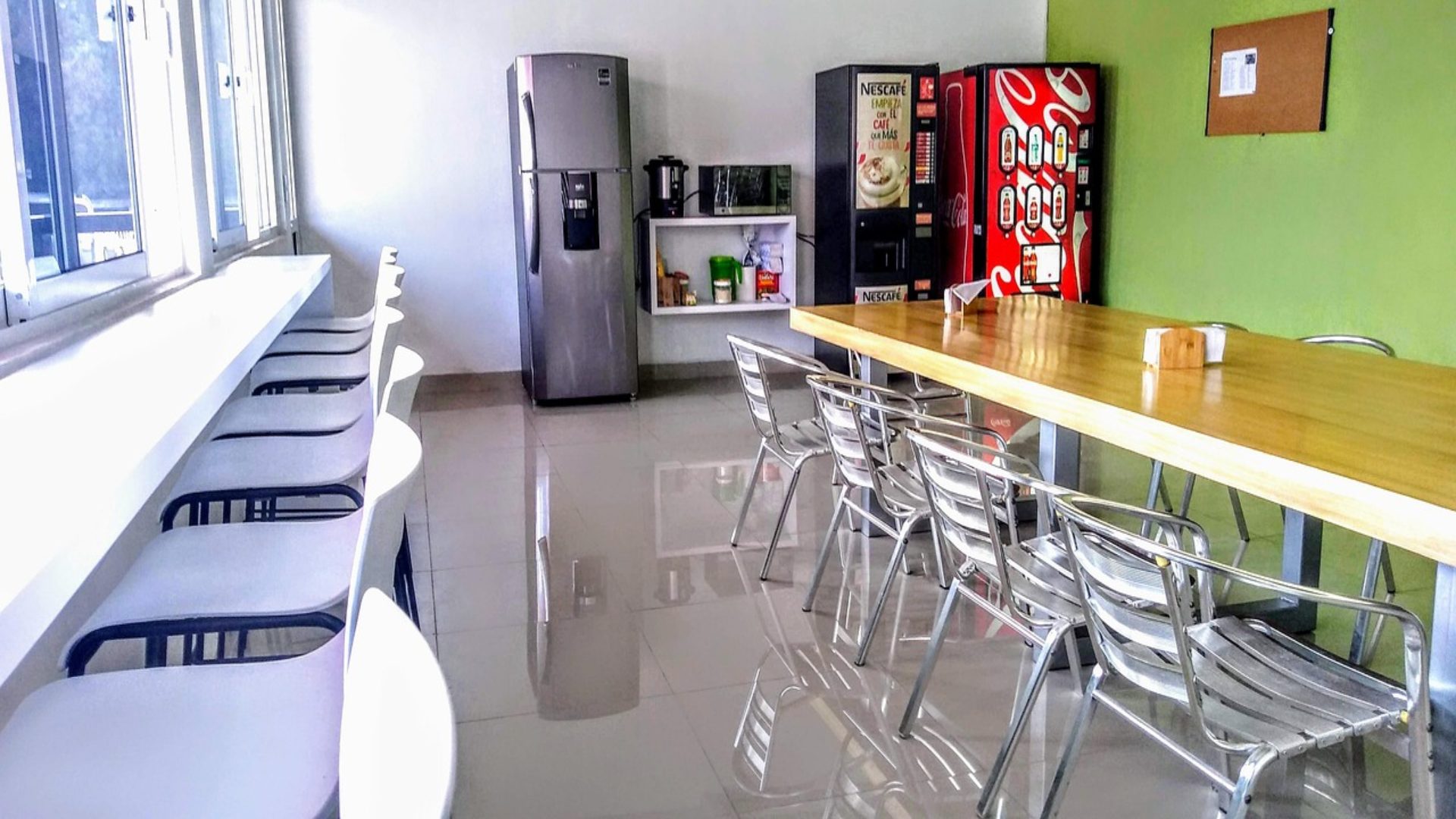
Walk into most office break rooms and you’ll find the same setup: vending machines loaded with chips and candy, a soda machine, maybe some stale donuts from a morning meeting. These convenient options shape your employees’ daily habits more than you might realize.

The problem is that these small choices add up over time. An afternoon soda every day contributes to increased risk of diabetes and obesity. The sugar crash that follows reduces productivity. Poor hydration affects focus and cognitive function. When you multiply these effects across your entire workforce over months and years, the health impact becomes significant.

The solution doesn’t mean removing all treats and turning your office into a health food store. It means making better options just as convenient as the unhealthy ones. Start by upgrading your water dispensing machine to something that actually encourages people to drink more water. Consider modern solutions like Bevi’s smart water cooler that offer various zero- and low-calorie flavored and sparkling beverage options. These provide healthier alternatives to sugary sodas while still giving employees the taste variety they want.

Stock your break room with nuts, fresh fruit, and whole grain snacks alongside the occasional treats. Make water more visible and accessible than other beverages. The goal is to make the healthy choice the easy choice, not to police what people eat.

This approach works because convenience drives behavior more than willpower. When employees have appealing healthy options right in front of them, they’ll naturally choose them more often. You’re not forcing anything or creating resentment. You’re just removing barriers to better choices.

Movement Matters More Than You Think

Most office workers sit for eight hours or more each day. This prolonged sitting contributes to cardiovascular disease, back pain, and obesity. The medical costs associated with sedentary work are substantial, but getting people moving doesn’t require an on-site gym.

Start with standing desk converters, which cost a fraction of full standing desks. Encourage walking meetings for one-on-one conversations. Send out stretch break reminders a couple times a day. Create a friendly competition around daily step counts. These small interventions add up to real movement throughout the day.

Also pay attention to ergonomics. Preventing one workplace injury from poor desk setup saves thousands in workers’ compensation claims. Simple fixes like proper monitor height, external keyboards for laptop users, and lumbar support cushions make a real difference. You don’t need an expensive consultant. Basic ergonomic checklists and letting employees request what they need works fine.

Don’t Ignore Mental Health

Stress, anxiety, and burnout are driving healthcare costs up faster than many physical health issues. The connection between mental and physical health is strong. Chronic stress weakens your immune system and contributes to heart disease, diabetes, and digestive problems. Addressing mental wellness prevents these cascading physical health issues.

Simple changes help. Create a quiet space where people can take actual breaks. Offer flexible start times to reduce commute stress. Train managers to recognize burnout signs. Most importantly, have leadership model healthy boundaries. When executives answer emails at midnight, everyone else feels pressured to do the same.

Measuring What Matters

Track your healthcare claim costs year over year. Monitor absenteeism rates and sick day usage. Survey employees about which wellness initiatives they actually value. Start with two or three changes, measure them for at least six months, and then adjust based on what works for your specific workplace.

The Bottom Line

Creating a wellness-focused workplace doesn’t require a massive budget or complicated programs. It requires thinking strategically about the environment you create and the daily choices you make easier for your employees. Small changes in your break room, workspace setup, and company culture can lead to measurable improvements in employee health and significant reductions in healthcare costs. Start with one or two initiatives this month. Your employees and your budget will both benefit.

Categories: Advice

Discover Our Awards.

See Awards

You Might Also Like