Back to top

The Strategic Role of Modular Storage Systems in Improving Warehouse Efficiency

Floor space is a deceptive metric, and a facility can span 500,000 square feet, but if the structural footprint is…

The Strategic Role of Modular Storage Systems in Improving Warehouse Efficiency

19th May 2026

Floor space is a deceptive metric, and a facility can span 500,000 square feet, but if the structural footprint is locked into a rigid framework, the actual usable capacity is drastically lower. Traditional, static warehouse setups treat spatial design as a permanent decision, forcing operations to bend to the architecture rather than allowing the architecture to serve the workflow. When inventory velocity accelerates or product dimensions shift, these fixed systems inevitably lead to severe bottlenecks, congested aisles, and wasted vertical clearance.

Every single day, thousands of distribution centers face operational gridlock because their physical layouts cannot adapt to fluctuating inbound stock profiles. This structural stagnation directly penalises productivity, as selectors spend more time navigating inefficient pick paths than actually moving goods.

True efficiency requires physical structures that can expand, contract, or reconfigure without costly renovations or long periods of operational downtime. Modular storage design solves this problem by turning physical steel infrastructure into an adaptable asset that can change as quickly as your data.

Engineering Adaptability with Industrial Selective Pallet Racking

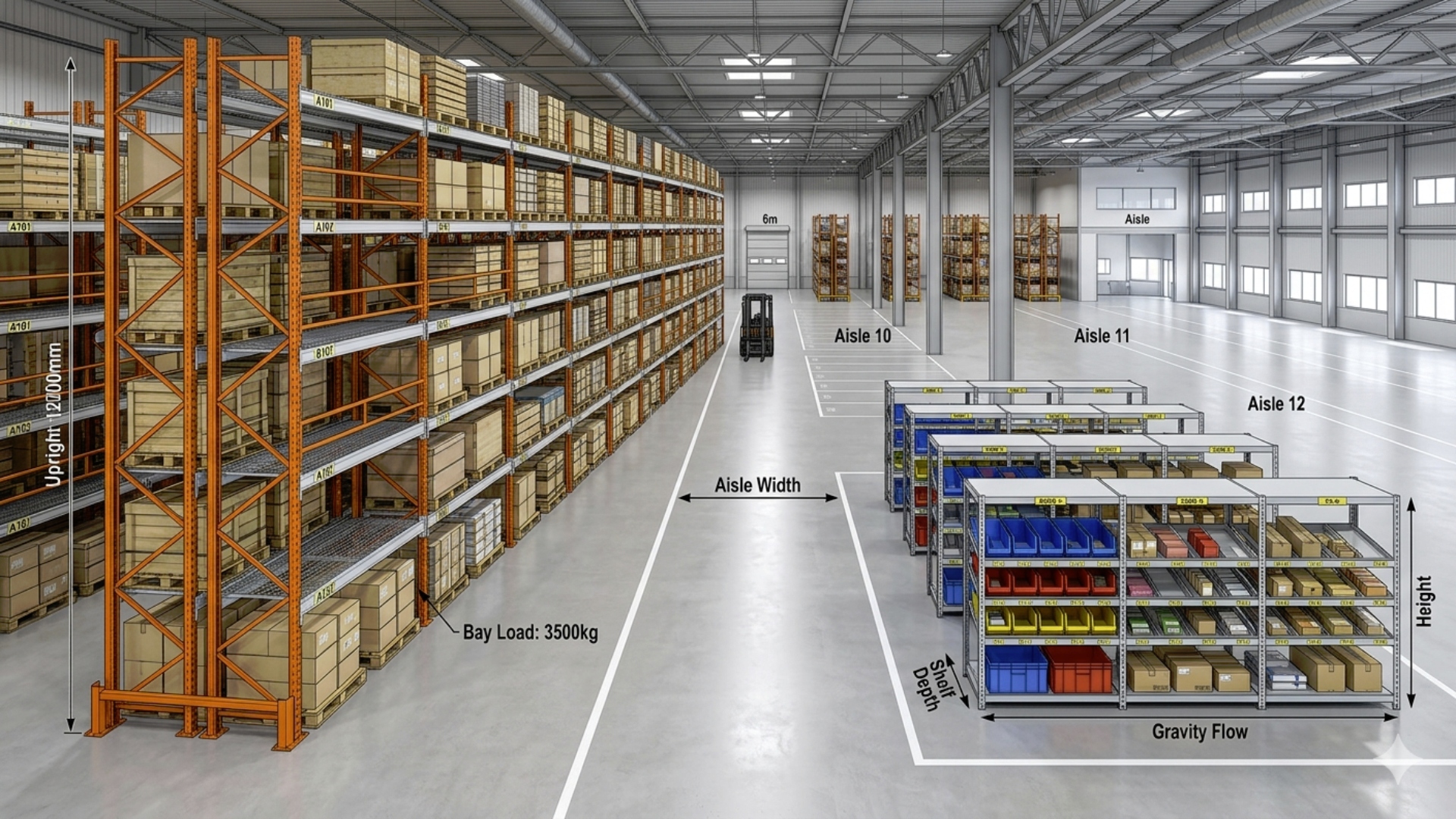
Achieving true modularity does not mean sacrificing load capacity or structural durability. Industrial facilities require heavy-duty systems that provide both high weight tolerances and immediate accessibility to every single pallet position. Implementing high-quality industrial selective pallet racking establishes a highly versatile baseline that allows warehouse managers to adjust beam levels and shelf profiles as inventory cycles evolve. This configuration ensures forklifts have direct access to every SKU at all times, eliminating the need to move multiple pallets just to reach a buried item.

The latest Integrated Warehouse Systems Survey found that 63% of warehouse operations remain completely manual, making intelligent physical layouts the primary driver of labor optimisation before automation is even introduced. When your team relies on physical handling, every extra foot traveled translates directly into lost margin.

By integrating adjustable selective systems, facilities can easily alter their beam spacing to match seasonal shifts in pallet heights. These simple structural adjustments eliminate the costly problem of storing half-empty pallets in slots designed for maximum height loads.

Adjusting your storage infrastructure to eliminate dead air space yields immediate dividends across the entire logistics chain:

  • Selective configurations allow for rapid slotting changes without requiring specialised teardown crews
  • Standardised component connections ensure that expansion parts seamlessly integrate with existing upright frames
  • Open structural designs permit easy integration of deck styles ranging from wire mesh to solid steel panels

Optimising the Lower Tiers with Flexible Steel Shelving Systems

While pallet positions handle bulk storage in much of the $1+ trillion warehousing market, the lower levels of a modular facility require a different kind of structural precision. Hand-pick operations and fractional SKU fulfillment demand tight organisation that prevents parts from getting lost in massive bulk locations.

High-density steel shelving systems bridge this gap, turning the lower levels of heavy racking structures into highly organised, accessible picking zones. These systems act as a flexible infrastructure layer, supporting both minor daily adjustments and major seasonal overhauls.

Integrating dynamic asset slotting with adjustable shelving units can directly increase total storage density by up to 30% without executing permanent building alterations. For your floor staff, this means smaller pick footprints, fewer steps per order, and a massive drop in mispicks.

Modular shelving allows for the rapid creation of custom bin sizes, dividers, and specialised gravity-flow lanes right at the point of fulfillment. This level of customisation ensures that fast-moving items are always placed at optimal ergonomic heights, accelerating cycle times while reducing physical fatigue. It’s also similar to how a well-optimised office workspace delivers productivity improvements, so provides lessons that apply beyond the warehouse.

Future Proofing Distribution Networks Against Supply Chain Volatility

Relying on static infrastructure in a fluctuating market is a significant operational risk. Modern inventory management demands a continuous balance between bulk storage capacity, picking speed, and workplace safety. Modular storage frameworks allow supply chain leaders to build resilient distribution nodes that can absorb sudden spikes in volume without collapsing into chaotic disarray.

Industry analysts tracking modern infrastructure upgrades emphasise that forward-thinking operations are prioritising scalable components that can change configurations without requiring total system replacements. Upgrading to a modular model protects your capital investments, ensuring that the steel frames you purchase today remain highly functional as your business grows.

To explore more strategies for optimising your business operations, no matter what form they take, check out our other guides and coverage.

Categories: Logistics

Our awards

Discover Our Awards.

See Awards

You Might Also Like