Back to top

Training a Logistics Workforce That Can’t Stop: Where Rapid E-Learning Fits

Training a Logistics Workforce That Can’t Stop: Where Rapid E-Learning Fits A new hazmat classification takes effect in six weeks.…

Training a Logistics Workforce That Can’t Stop: Where Rapid E-Learning Fits

9th November 2026

Training a Logistics Workforce That Can’t Stop: Where Rapid E-Learning Fits

A new hazmat classification takes effect in six weeks. A 400-person distribution center cuts over to a new warehouse management system next month. A customs rule changes and every broker and dock lead needs to handle the paperwork differently by Monday. In logistics, training needs don’t arrive politely scheduled — they land on a floor that’s already running at capacity, where stopping to train is lost throughput. Traditional course production, measured in months, can’t answer that. This is where logistics operations increasingly turn to rapid e-learning.

What is rapid e-learning?

Rapid e-learning is a production approach that compresses course development from months into weeks by using templates, reusable modules, and streamlined authoring instead of building every course from scratch. It is a method for producing training faster — not a lower-quality version of it.

The distinction matters for operators who distrust anything that sounds like a corner cut. “Rapid” describes how the content is built and how fast it deploys, not whether it’s accurate or well-designed. For regulated and safety-critical logistics training, the review that keeps content correct is exactly the part that stays; what gets compressed is the production around it.

What forces create urgent training needs in logistics?

Four recurring forces make logistics training time-sensitive in a way few other industries face. Each one can require retraining a distributed workforce on short notice.

Trigger What it forces Why speed matters
Regulatory change Retrain on customs, hazmat, trade compliance Penalties and held freight start on the effective date
System/automation rollout Train on new WMS/TMS, robotics, scanners Unused or misused tech delays go-live ROI
Safety requirements Refresh equipment and procedure training Incidents and liability don’t wait for the annual cycle
High-turnover onboarding Get new hires productive fast Churn means the training need never stops

The common thread is that each is high-volume, time-bound, and has to reach a workforce that isn’t sitting at desks.

Why classroom-only training fails a logistics workforce

Classroom training assumes you can gather people in one place at one time, and a logistics operation rarely can. The workforce is shift-based, spread across docks, warehouses, and the road, and it turns over constantly — large truckload carriers have historically averaged roughly 90%+ annualized driver turnover according to ATA data, and warehouse churn runs high as well.

That combination breaks the classroom model. You can’t pull drivers off routes or stop a pick line for a scheduled session, you can’t reach three shifts with one class, and with that much turnover you’d be running the same session endlessly. A distributed, self-paced format is the only thing that keeps pace with how the work actually happens.

Where rapid e-learning fits — and the line you can’t cross

Rapid e-learning fits the urgent, broad, knowledge-and-procedure layer: regulatory updates, system walkthroughs, safety refreshers, and onboarding that has to scale. Delivered as short modules, it reaches the whole workforce fast and can be updated the moment a rule or system changes.

The line that can’t be crossed is accuracy on regulated and safety content. A module that misstates a hazmat procedure or a safety step teaches an error across the entire operation — worse than no training at all. Much logistics training is also legally mandated and must be kept current: OSHA, for example, requires that powered industrial truck operators be trained, evaluated, and re-evaluated at least every three years, with refresher training after incidents or changes. Speed is fine; skipping the expert review and the records is not. Rapid production is what makes it practical to keep compliance training both fast to deploy and current.

How logistics operators source rapid training

Operators either build rapid-production capability in-house or bring in a specialist, and the deciding factor is usually how often urgent needs hit and whether the capability already exists. Building templates, tooling, and process from scratch under deadline is the slowest part of any rushed project. Many operations without that standing capacity work with an external rapid e-learning development company so the production pipeline and instructional-design expertise are already in place when a regulation or system change lands.

The practical move is to decide the route before the next urgent need, not during it. Operators who already know how they’ll produce training turn a sudden change into a routine; those improvising lose the weeks that matter most.

What still needs hands-on training

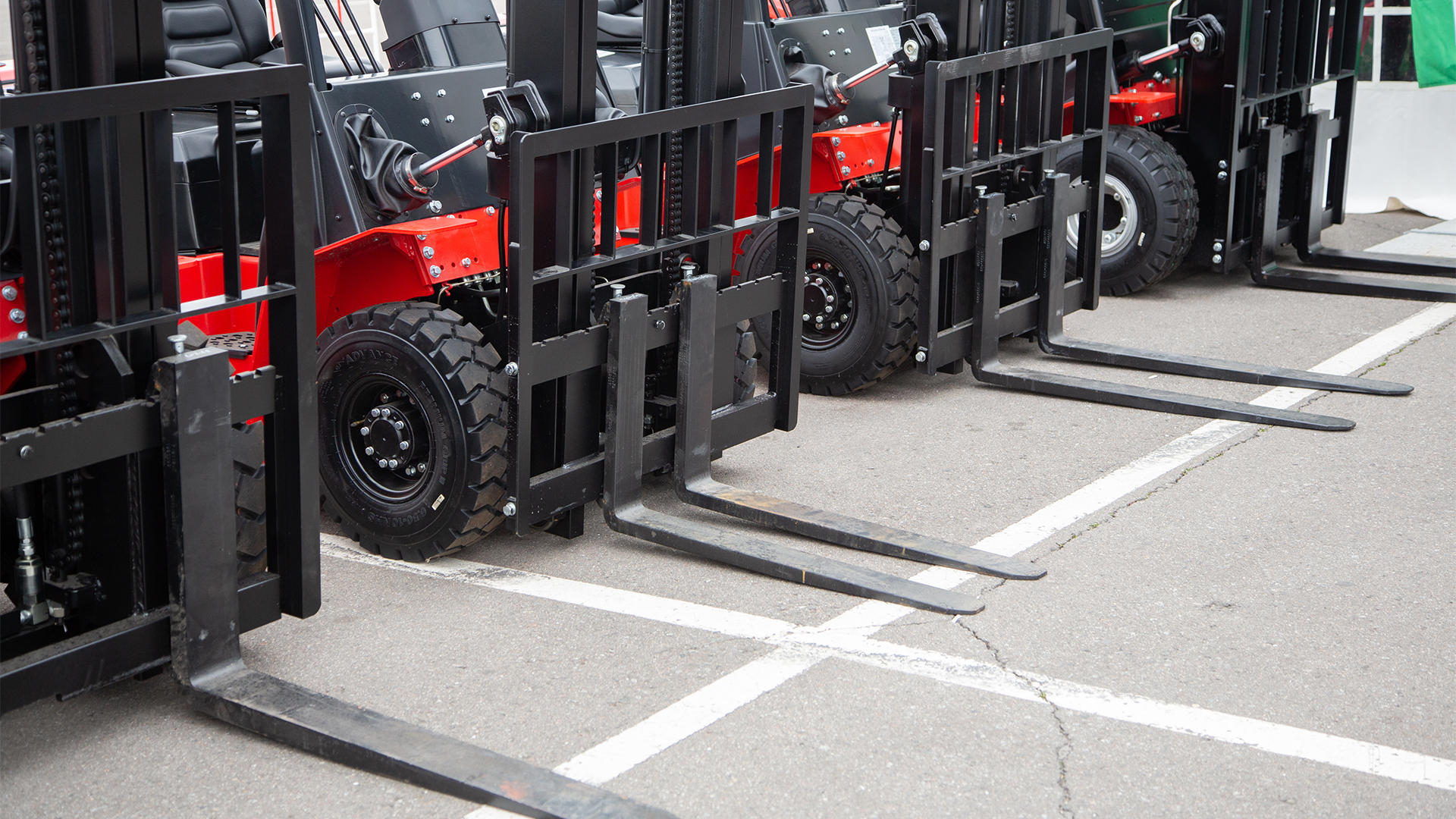
Rapid e-learning carries the knowledge layer; it can’t replace physical practice. Operating a forklift, handling equipment safely, and procedures that require supervised hands-on competence still demand real training and evaluation on the floor. The effective model is blended: use rapid digital learning content to deliver and refresh the knowledge, regulatory, and system training across the whole warehouse workforce, and reserve hands-on time for the physical skills only practice can build.

Match the speed to the situation

In logistics, the real skill is knowing which training can’t wait and which shouldn’t be rushed. When a rule changes or a system goes live, speed protects throughput, compliance, and safety; when you’re building hands-on competence, hands-on time wins. A workforce that can’t stop moving needs training that can move with it — and operators who build that capability before they need it turn the next sudden change from a scramble into a standard procedure.

Categories: Logistics

Our awards

Discover Our Awards.

See Awards

You Might Also Like