Back to top

What Food and Beverage Manufacturers Should Consider When Scaling Production Equipment

There’s a moment in almost every Food and Beverage Manufacturers business where the equipment that got them started starts working…

What Food and Beverage Manufacturers Should Consider When Scaling Production Equipment

14th September 2026

There’s a moment in almost every Food and Beverage Manufacturers business where the equipment that got them started starts working against them. The kettle that once felt spacious now runs back to back batches every day, and storage space that seemed generous a year ago disappears the second a new product line launches.

Scaling isn’t just buying bigger versions of the same gear. Tank capacity, layout, material handling, and even how ingredients move through the space all change once volume climbs, and producers who treat it like a simple upgrade often end up with equipment that doesn’t actually solve the bottleneck they were trying to fix.

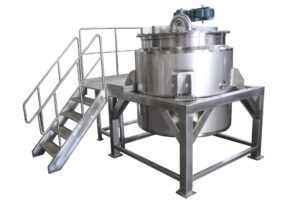
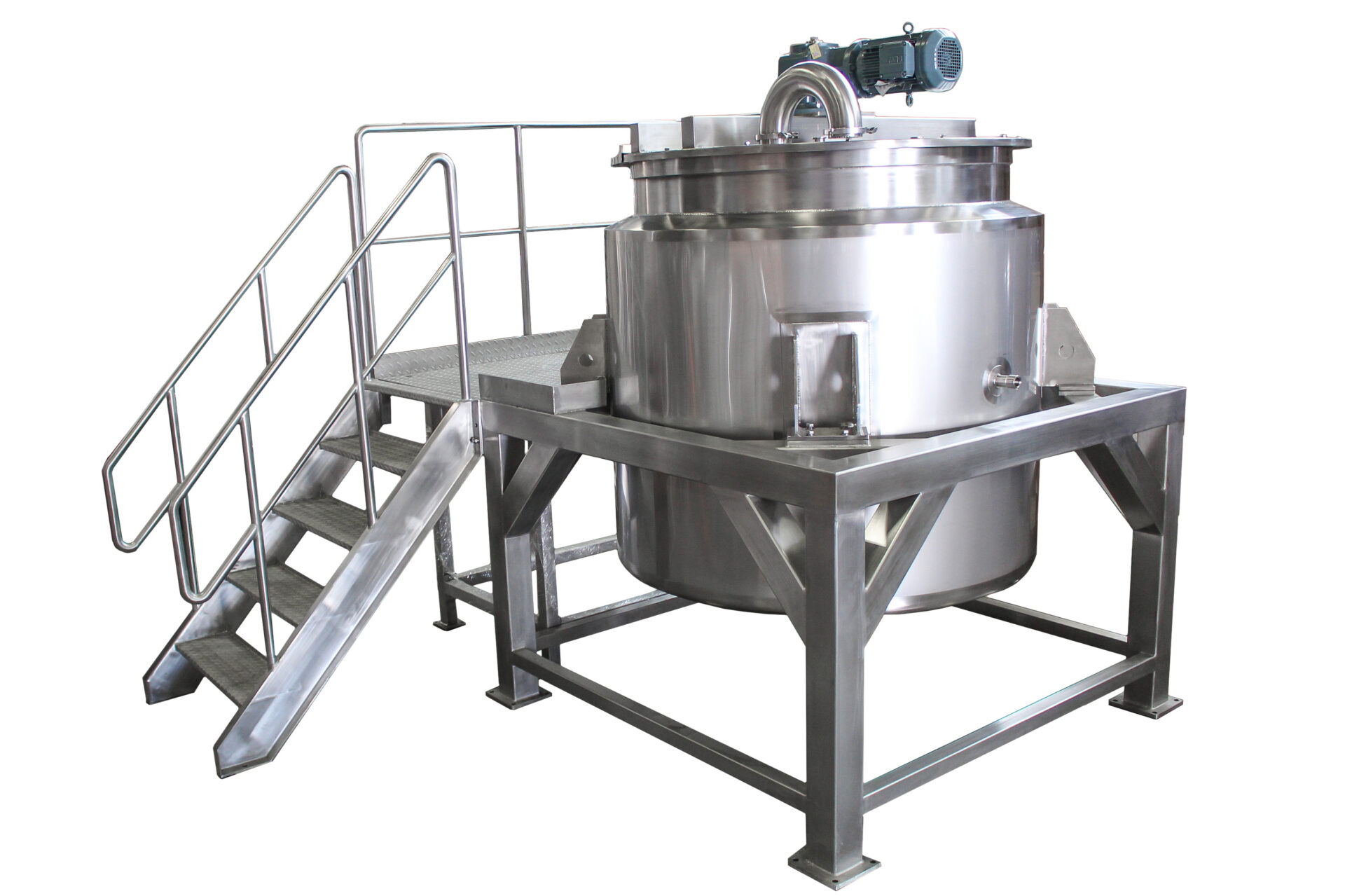
Getting this right starts with looking at the whole production flow instead of one piece of equipment at a time. Producers weighing new industrial mixing and storage tanks usually get better results planning around batch sequencing and future growth first, then choosing configurations that support where the business is actually headed.

Rethinking Capacity Before Buying Anything

The instinct when volume increases is to buy a bigger tank, but capacity planning needs to account for more than just total gallons. Batch frequency, how long product sits before packaging, and whether multiple products run through the same vessel all shape what size and how many tanks actually make sense.

Producers who buy based purely on peak demand often end up with equipment sitting idle most of the year, tying up capital and floor space that could go toward something more useful. Sizing around average production with enough headroom for seasonal spikes tends to be a more sustainable approach than chasing the busiest week of the year.

Talking through actual production schedules with an equipment supplier before finalizing an order catches a lot of these mismatches early. A tank that looks right on paper can still be the wrong choice once real batch timing and turnaround windows get factored into the decision.

Layout and Workflow Matter as Much as Size

Bigger equipment takes up more space, and that space has to fit into a production floor that’s already built around existing workflow. Producers frequently discover that a new tank fits physically but disrupts the path ingredients and product take through the facility, adding steps instead of removing them.

Thinking through workflow before installation avoids a lot of headaches down the line. Where a tank sits relative to mixing stations, fill lines, and cleaning equipment affects how much walking, pumping, and hose dragging happens every single shift, and small inefficiencies here add up fast across hundreds of production days.

Vertical space often gets overlooked too. Producers running out of floor room sometimes have more headroom than they realize, and taller tank configurations can free up square footage for other equipment without requiring a facility expansion that wasn’t in the budget.

Material and Build Quality for the Long Haul

Not all stainless steel tanks are built the same way, and the difference shows up over years of use rather than on day one. Wall thickness, weld quality, and finish all affect how well a tank holds up to repeated cleaning cycles, temperature swings, and the general wear of daily production.

Cutting corners on build quality to save money upfront tends to cost more later in maintenance, repairs, or premature replacement. Producers scaling production are making an investment meant to last a decade or more, and equipment quality matters just as much as capacity when it comes to actual cost over that timeframe.

Working with a supplier that understands beverage production specifically, rather than general industrial tanks, also helps avoid mismatches in fittings, ports, and finishes that matter for food and beverage applications but wouldn’t show up in a generic industrial catalog.

For beverage processing, sanitary design should be considered alongside tank capacity and construction quality. Product-contact surfaces, sanitary fittings, drainability, cleanability, and compatibility with CIP procedures can have a significant impact on day-to-day operation. Heating, cooling, and agitation requirements should also be considered before finalizing the vessel design rather than added as an afterthought.

Planning for the Next Stage, Not Just This One

Equipment bought to solve today’s bottleneck can become tomorrow’s constraint if future growth isn’t part of the decision. Producers who only plan for current volume often find themselves back in the same position within a year or two, replacing equipment that barely had time to pay for itself.

Modular tank configurations and standardized fittings make future expansion easier, since new equipment can integrate into an existing setup instead of requiring a full redesign. This kind of flexibility costs a little more upfront but saves significant disruption when the next growth phase arrives sooner than expected.

Producers don’t need to guess at every future scenario, but having a rough sense of where volume is headed over the next few years makes equipment decisions today noticeably more resilient. A little foresight now prevents a lot of costly rework later.

Bringing It All Together

Scaling production equipment is rarely as simple as buying bigger versions of what’s already on the floor. Capacity planning, workflow, build quality, and future flexibility all play a role in whether new equipment actually solves the growth problem or just moves it somewhere else in the facility.

Producers who take the time to think through these factors before purchasing tend to end up with setups that support growth for years instead of months. The upfront planning takes more effort than a quick purchase, but it pays off every single day the equipment is in use.

At the end of the day, scaling well means building a production system that grows with the business rather than constantly playing catch up. Equipment decisions made with that mindset tend to look a lot smarter two or three years down the road than the ones made under pressure.

Categories: Advice

Our awards

Discover Our Awards.

See Awards

You Might Also Like