Back to top

Why Consistency Beats Talent: Dave Ryding on the Discipline Behind Lasting Success

In this exclusive interview with the High Performance Speakers Agency, Ryding explains why consistency can outweigh perceived talent, why trusting…

Why Consistency Beats Talent: Dave Ryding on the Discipline Behind Lasting Success

5th October 2026

Dave Ryding

This exclusive interview with Dave Ryding was conducted by Tabish Ali of the Motivational Speakers Agency.

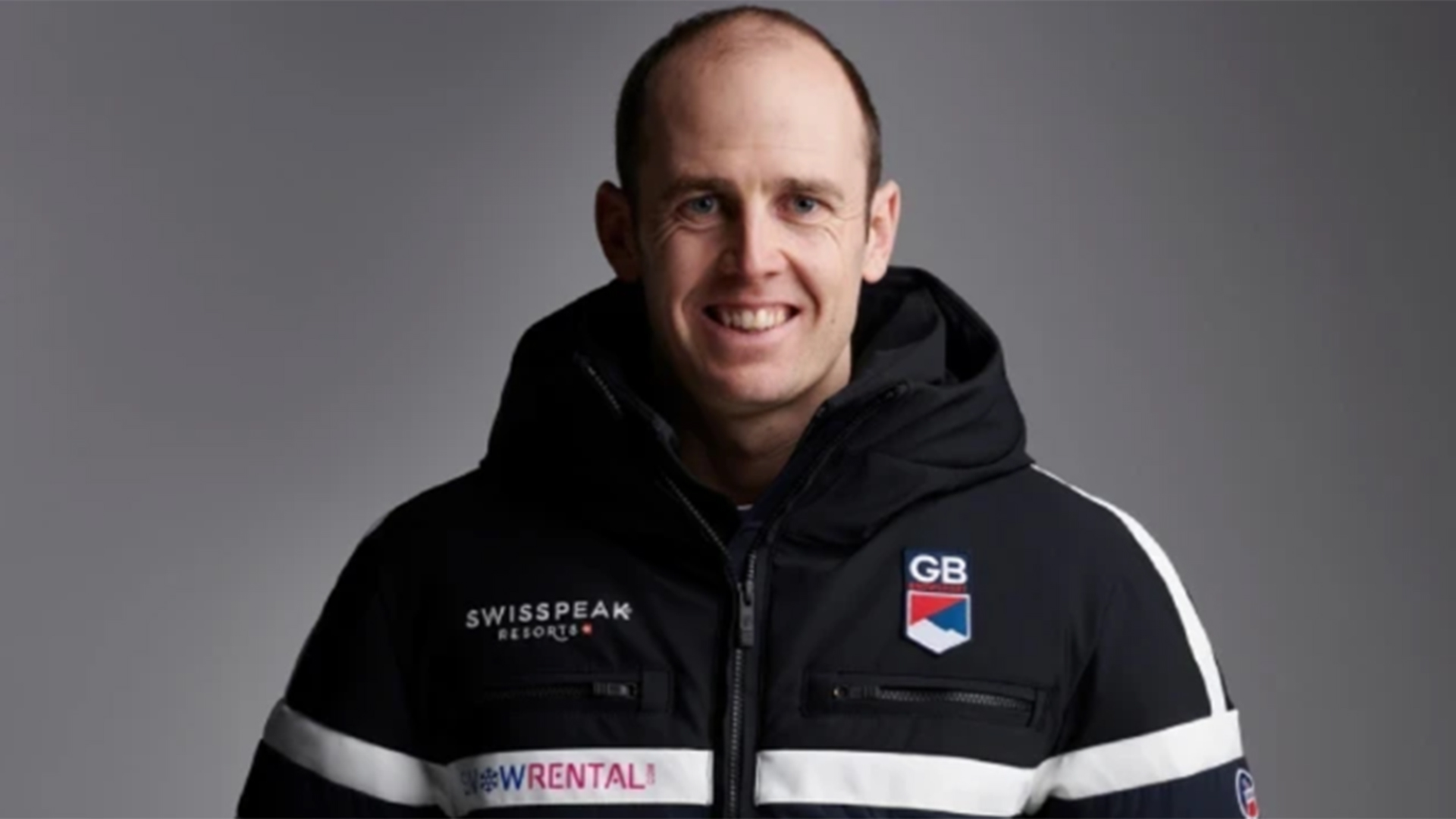
Dave Ryding built his career on an unfashionable formula: doing the basics well, working harder than the competition and repeating it for long enough to make the difference.

The five-time Olympian became the first British skier to win an Alpine World Cup race with his historic slalom victory at Kitzbühel in 2022, after a career that began on dry slopes in Lancashire rather than the traditional Alpine system. Champions Speakers

In this exclusive interview with the High Performance Speakers Agency, Ryding explains why consistency can outweigh perceived talent, why trusting the process still requires honest self-evaluation, and how the discipline, teamwork and setbacks of elite sport shaped his approach to lasting success.

Question 1. What do high performers often misunderstand about the relationship between sacrifice, discipline and long-term success?

Dave Ryding: “I think people overcomplicate it. They get it the wrong way around. They try to make the process really hard, clichéd or buzzworthy, and forget that it’s actually the hard work that matters.

“I believe you’ve got to do the basics as well as you can and then work as hard as you can. Don’t overcomplicate the process. Don’t try to find the biggest buzzword or the newest fad that you think might help.

“Do the basics very well and commit over a long period of time. If you’re willing to do that, that’s when you start to see proper improvement and progression.”

Question 2. How do you distinguish natural talent from the advantages created by exposure, consistency and sustained work?

Dave Ryding: “Talent is spoken about a lot, but I always think: what is talent? It’s so hard to define.

“Say you have two children at 10 years old. Is talent in one 10-year-old simply because they’ve been exposed to more things than the other 10-year-old? It doesn’t necessarily mean one is more talented than the other.

“Consistency and work are always going to outdo a talented person because, over a long period of time, you’re going to get much better than a “talented” person who isn’t working hard.

“If I look at myself, when I was 16 and racing on snow, I wasn’t even ranked in the top 15 in Great Britain for my year of birth.

“Looking back, would I be described as untalented, or had I simply not been exposed to as much as the other people at that age?

“Once I got that exposure and was able to apply my work ethic and consistency, I went flying past them and they dropped away. It wasn’t that they were more talented. They had just been exposed to more things than I had at that specific time.”

Question 3. How do you balance commitment to a process with the need to recognise when that process needs to change?

Dave Ryding: “Mindset is key and trusting the process is key. However, I don’t think you should blindly trust the process. It’s much more about having an open and closed mindset.

“You need an open mindset to evaluate whether your process is working and whether the plan is working, and then be honest with yourself and say, “Okay, it’s not working. I need to either improve myself in this area or tinker with the plan to get more out of myself.”

“You need that open mindset to evaluate yourself, and a closed mindset to get up every morning with the discipline and sacrifice to go about the process.

“But if you’re not evaluating the process, and your process is wrong, then it’s not going to work either.

“You’ve got to blend both. You have to stay open, and the key is being honest with yourself to make good changes to your process, not easy changes.”

Question 4. In a culture drawn to instant gratification and visible wins, what does sustainable success actually require?

Dave Ryding: “A quick win isn’t necessarily a very big win. They’re normally little things that make you feel good, give you a bit of dopamine, and within a day you’ve probably forgotten about them.

“Lasting legacy or lasting success requires sacrifice. If you get a big win, that’s going to stay with you longer and give you more motivation for a longer period of time.

“It’s about keeping the blinkers on and not getting obsessed with little wins here, there and everywhere that don’t really mean much.

“I like to say, “Train in the dark.”

“If you’re training in the dark rather than showing everyone what you’re doing to get the quick win of someone saying something nice on social media, just keep your head down and train hard.

“The big win is going to mean way more to you. It’s going to put you on a different pedestal to everyone else. If it’s business and you get a big win in business, it can be life-changing, just like in sport.

“Always stay focused on the big goal. You need to have small goals along the way, but don’t look for the quick, easy wins. Look for the methodical wins that will take you to the next step.

“If you always look to go one step at a time, walking then running before sprinting, that’s the best way to get to the big win.”

Categories: Advice, Articles

Our awards

Discover Our Awards.

See Awards

You Might Also Like