Back to top

Why Cyber Security Needs Diverse Thinking to Stay Ahead

In this exclusive interview with the Motivational Speakers Agency, Purvi Kay reflects on why diversity gives organisations a sharper edge,…

Why Cyber Security Needs Diverse Thinking to Stay Ahead

9th April 2026

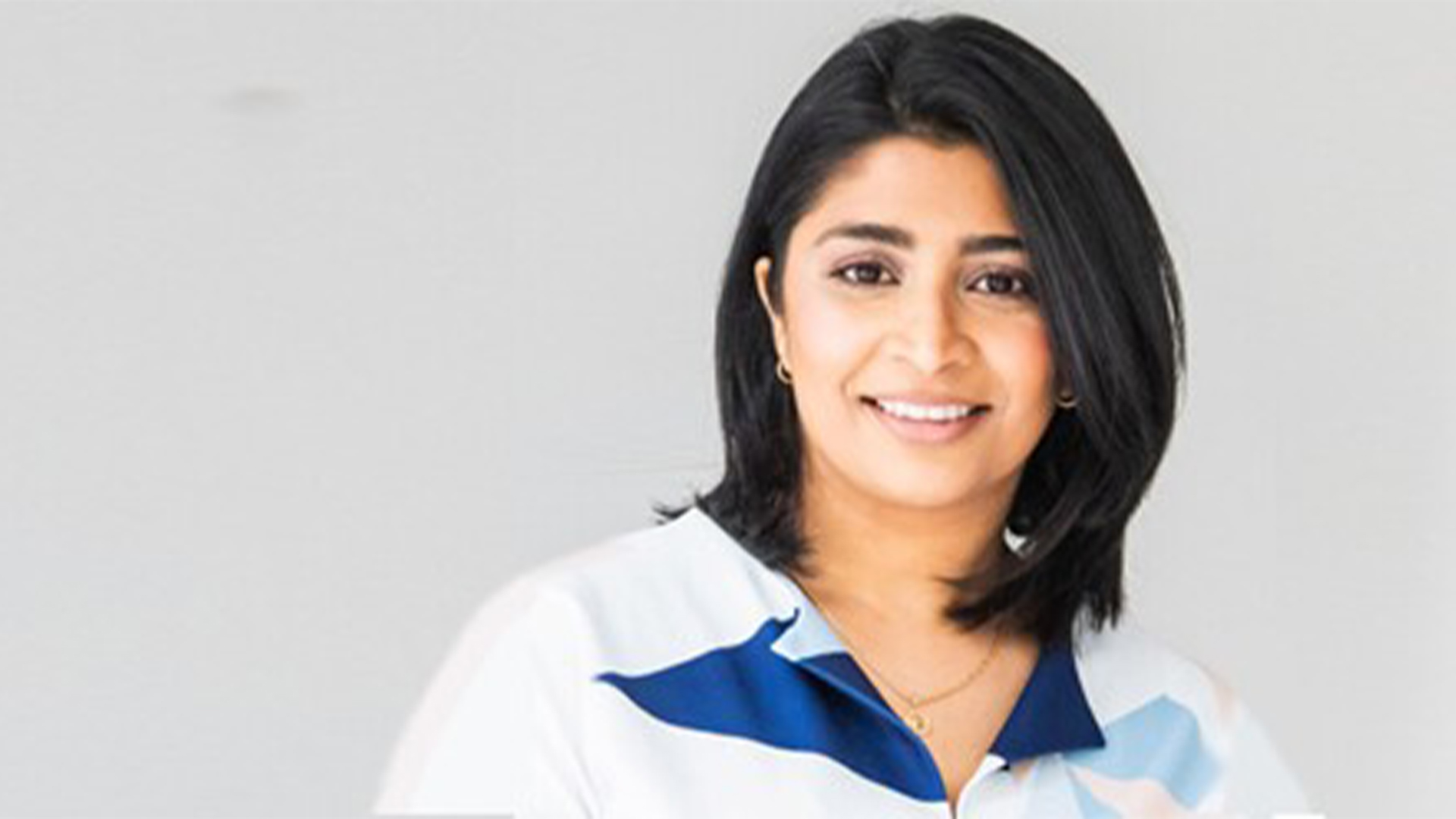
Purvi Kay

This exclusive interview with Purvi Kay was conducted by Tabish Ali of the Champions Speakers Agency.

Purvi Kay brings front-line credibility to debates around cyber resilience, leadership and inclusive innovation. A global cyber security leader with experience across government, defence and national infrastructure, she is known for translating high-pressure security work into clear lessons on leadership, confidence and performance.

Her authority is built on both technical depth and strategic reach. A technology expert with a background in aerospace engineering from the University of Bath, Kay has led teams across major government departments including the Home Office and HMRC, and now serves as Head of Cyber Security within a UK Defence Prime, where she champions a secure-by-design approach to air and defence systems.

In this exclusive interview with the Motivational Speakers Agency, Purvi Kay reflects on why diversity gives organisations a sharper edge, what still holds women back in tech, and why neurodivergent talent remains one of cyber security’s most overlooked strengths. With keynote appearances at London Tech Week, Infosecurity Europe, International Cyber Expo and the Global Cyber Forum behind her, her perspective is grounded in real leadership at the sharp end of the sector.

Q: In cyber security, where threat actors are constantly adapting, why does diversity give organisations a real strategic edge rather than simply meeting a target?

Purvi Kay: “If you think about high-stakes environments like security, for example, the threats that we face in security themselves are quite diverse. The threat actors themselves are from all over the world, so they are thinking very diversely as well.

“So the people that we need to defend against these threats, they themselves need to be diverse. They need to be able to think differently. They need to be able to think like the threat actors. They need to be able to notice those blind spots. They need to be able to see risks differently.

“So, whether it’s gender diversity, ethnicity or neurodiversity, we need these people to be able to think one step ahead of the threat actors. And when that happens, we accelerate innovation and we start making decisions that stand up to the real world, and that is when diversity actually becomes a strategic advantage.”

Q: The sector often talks about getting more women into tech, but retention remains a weak point. What still needs to change if organisations want women not just to join, but to stay and progress?

Purvi Kay: “So when it comes to gender equality in tech, we’re great at recruiting women in tech, but the main problem lies when it comes to retaining them and helping them progress.

“What we’re not good at is understanding that women don’t leave tech because of their ability or inability. They leave because the system itself wasn’t built with them in mind.

“And what I mean by that is you have the lack of mid-career support. This is the time when women are in their mid-career positions that they need additional support. For example, if they’re going to become a parent or are a parent, they need additional support, and some businesses, some organisations are not fully equipped to understand that or to give them the support. And what happens is women end up leaving.

“So I think with organisations, we need to have bias-aware policies. We need to have really robust mid-career support for them. And more importantly, we need leadership cultures that prioritise equity, that prioritise psychological safety and even fair progression for women.

“So whilst we’re great at ticking the boxes to say we recruited this much percentage increase in women in our organisation or in tech, we need to see how many of them are actually staying in the organisation. And I think we’ll get gender equality not when we think about it just in terms of numbers, but when we look at how many are staying and, more importantly, thriving to become the leaders of tomorrow.”

Q: You have described neurodiversity and cyber security as a match made in heaven. What is it about the demands of cyber work that makes neurodivergent talent so valuable?

Purvi Kay: “So neurodiversity and cyber security is one of my favourite topics because I work in cyber security, and what I understand is the kind of traits and behaviours that neurodivergent people have are so critical to some of the cyber security roles that we’re currently trying to fill. We have such a gap when it comes to skill sets.

“The type of neurodivergent traits I’m talking about are things like hyper-focus, attention to detail or pattern recognition. These are some of the behaviours that we need in some of our cyber analysts who are looking at patterns for abnormalities within our networks, and some of the neurodivergent analysts we have are able to notice that better than even any of the AI tools we have because of that strength in them, and I see those behaviours as strength personally.

“And this is where, with neurodivergence in cyber security, we’re bringing creativity, we’re bringing precision, and we’re building resilience within our teams. So I feel that cyber security thrives on thinking differently, and this is why the neurodivergent professionals that we have, for me, are the greatest untapped talent pool that we really need to get into.”

Q: When you speak publicly about inclusion, leadership and cyber security, what do you most want audiences to leave the room thinking or doing differently?

Purvi Kay: “So normally, when I’m speaking in my public engagements, I want the audiences to feel empowered, and I always go with that intention for audiences to feel empowered. I want the audiences to feel that they can challenge the norms and they can embrace inclusivity, whether it’s about inclusive security, inclusive leadership, bringing in diversity in their organisations.

“I want them to think about how very small changes in behaviours can shape the culture in their organisations. But one point I’d make is when I speak, I don’t want the audience to listen. I want to inspire them to take away some action points that they will go and implement and create positive impact in the world.

“If after I’ve spoken the audience leave feeling that they can personally drive some change, then I feel like my job is done and transformation in the world has already begun at that point.”

Categories: Advice, Articles, Tech

Our awards

Discover Our Awards.

See Awards

You Might Also Like