Back to top

Why Europe’s Startup Ecosystem Is Entering Its Most Ambitious Era

In this exclusive interview Mike Butcher shares his perspective on Europe’s startup ecosystem, the power of storytelling in tech, how…

Why Europe’s Startup Ecosystem Is Entering Its Most Ambitious Era

19th February 2026

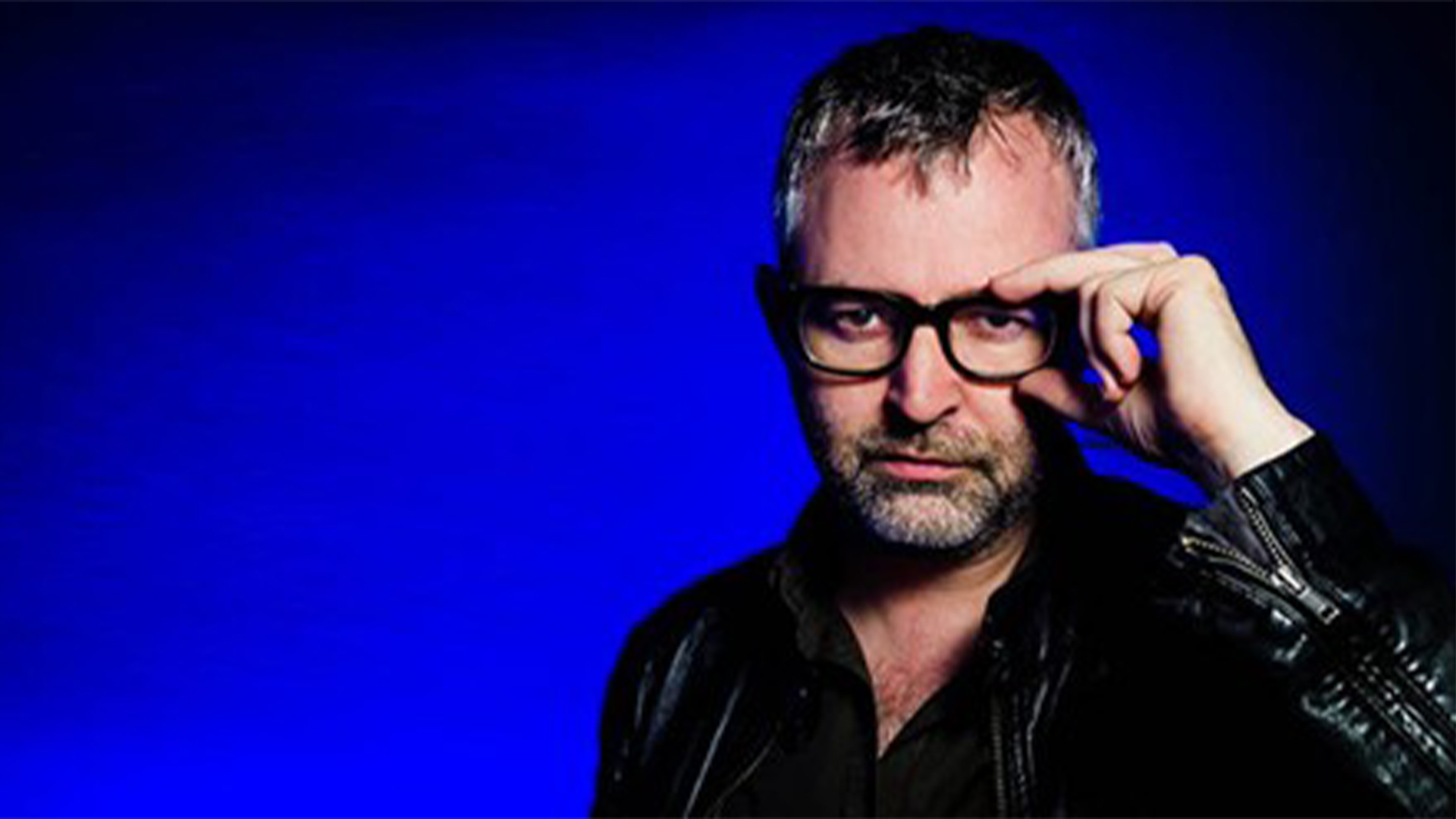
Mike Butcher

This exclusive interview with Mike Butcher was conducted by Tabish Ali of the Motivational Speakers Agency.

Mike Butcher MBE is a highly respected digital disruption speaker, veteran technology journalist and former founding Editor-at-Large of TechCrunch, where he spent more than 18 years covering the biggest shifts in tech, media and startups around the world.

His insight into digital transformation, the implications of artificial intelligence and the evolution of the European tech ecosystem has made him a go-to commentator for business leaders and innovators alike.

In addition to his journalism career, Mike is the founder of initiatives including The Europas, Techfugees and TechHub, and has advised UK Prime Ministers and city leaders on technology policy. He has been recognised as one of the most influential people in European technology and continues to shape conversations around the future of business, tech and society.

In this exclusive interview with the Inspirational Leadership Speakers Agency, Mike Butcher shares his perspective on Europe’s startup ecosystem, the power of storytelling in tech, how entrepreneurs can stand out in a crowded market, and what he hopes audiences take away from his talks.

Question 1. How would you describe the startup ecosystem in Europe?

Mike Butcher: Well, I’ve been a technology journalist for, uh, 30 years, and I’ve been at TechCrunch for over 18 years, and I’ve never seen the, uh, ecosystem as excited and as exciting as it is now. It’s restless, it’s ambitious, it’s very unashamed of thinking globally in Europe.

Um, I see European founders that used to sort of second-guess themselves against Silicon Valley, but that’s fading fast because AI is giving them the tools to compete at an international level. We also have talent and depth of markets to build very globally significant companies. You can see that with companies like Lovable, uh, and many others right now.

Um, but the question, the main issue remains that we do still need more capital, cross-border networks, and investors, uh, need to be nudged into greater competition to unlock a lot of the potential in Europe.

Question 2. What role does storytelling play in startup success?

Mike Butcher: So, after the product, I think storytelling is pretty much everything. I often say to startups that, uh, 50% of your job is communication, and that’s very much about storytelling.

Startups are quite fragile by design. Sometimes people say that they’re, uh, um, you know, projects in search of a business model. Um, so that issue about product-market fit is very, very important, and therefore the storytelling becomes very important as well.

I find that the best founders don’t just tell a story about their company. They also tell a story about the future that their company makes possible.

Question 3. How can entrepreneurs stand out in such a crowded market?

Mike Butcher: In the era of AI, I think entrepreneurs, and a lot of us actually, stand out with authenticity.

If we look, feel, and say, and actually execute a genuine mission, and we’re prepared to offer real, deep insight and show expertise, then I think that’s how startups, uh, and entrepreneurs really, that’s how they stand out.

Question 4. What do you hope audiences take away from your public speeches?

Mike Butcher: Well, I come from things very much in a sort of a journalist manner. I’m really about asking questions. I don’t think really my job is to hand people ready-made conclusions.

A lot of the time it’s about challenging their assumptions and widening their perspective, getting them to ask the right kinds of questions that’s going to help their business and their strategy.

I think if somebody walks away from something I’ve said, uh, at a speech, and if they’re thinking differently about technology or their own role, then I think I’ve done my job.

Categories: Advice, Articles

Our awards

Discover Our Awards.

See Awards

You Might Also Like