Back to top

Why EV Charging Should Be Part of Your Employee Benefits Strategy

For some drivers of electric vehicles, charging costs have become a source of financial strain. Unlike fuel prices, which are…

Why EV Charging Should Be Part of Your Employee Benefits Strategy

12th February 2026

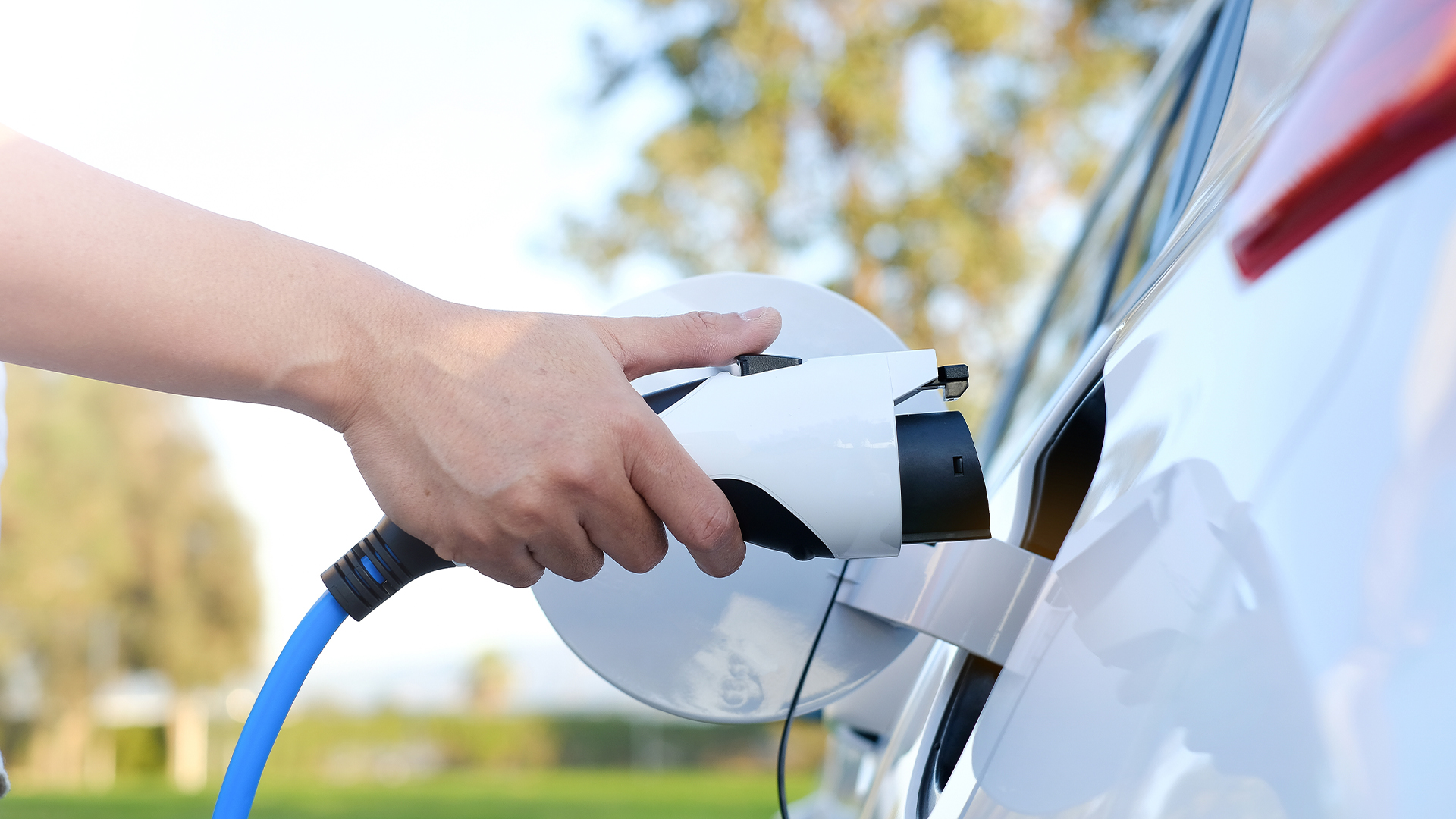
Electric car or ev is charging at station . man use the white power cable and plug on nature background

By Matt Waller, General Manager at The Charge Scheme

For some drivers of electric vehicles, charging costs have become a source of financial strain. Unlike fuel prices, which are visible and relatively consistent, electricity costs vary wildly, depending on where and when drivers charge. For those without off street parking and relying on public rechargers, the difference can mean paying significantly more than others.

This creates a problem that in all fairness, many employers can now address. While salary sacrifice schemes for electric vehicles have become one of the most common ways to own an EV – a sticky benefit that costs employers nothing – the cost of keeping vehicles charged has largely been left to employees to manage themselves.

Public charging prices on UK rapid and ultra-rapid networks currently range from around 44p to 89p per kWh. With approximately 40% of UK households without access to off-street parking and thus their own recharger, they are often not making the most of the benefits of cheaper motoring. 

Employees managing varying charging costs face the same cognitive load as those dealing with other forms of financial uncertainty – mental preoccupation, difficulty budgeting, and the quiet stress of watching costs accumulate without clear control.

Salary sacrifice has long been used to make benefits more affordable, from pensions to cycle-to-work schemes. The same principle can now be applied to EV charging. By allowing employees to pay for charging through salary sacrifice, employers can reduce the net cost of charging by 20 to 50%, depending on an employee’s tax position and charging habits.

For most employees, this translates to annual savings of £500 to £1,000. Higher mileage drivers and those who rely heavily on public charging see even greater benefits.

Take two employees currently using salary sacrifice for charging. 

Emma drives a Volvo XC40 and covers around 20,000 miles a year, with 90% of her charging on the public network. Based on her usage and tax position, she saves £1,063 annually. 

David drives an MG ZS, covers 23,000 miles a year and charges around 60% on public chargers. His annual saving is £1,026.

Importantly, these savings require no change to charging behaviour. Employees charge where and when they normally would, but pay less through payroll efficiency.

We are seeing significant uptake of employers extending their EV salary sacrifice with charging salary sacrifice, which also falls under the government’s initiative and can be implemented alongside existing vehicle schemes. The cost and administrative burden to businesses are incredibly minimal, but the impact on employee equity and satisfaction are significant.

For HR teams, it’s another way to support employees’ financial wellbeing without adding cost to the business.

Categories: Advice, Articles

Our awards

Discover Our Awards.

See Awards

You Might Also Like