Back to top

Why Smart Water Management Should Be on Every Company’s Sustainability Agenda

I. Introduction With water scarcity becoming a global economic and environmental risk, businesses across sectors are being called to re-evaluate…

Why Smart Water Management Should Be on Every Company’s Sustainability Agenda

7th July 2025

I. Introduction

With water scarcity becoming a global economic and environmental risk, businesses across sectors are being called to re-evaluate their consumption habits. From operational audits to advanced recycling technologies, water management is emerging as a critical pillar of corporate sustainability.

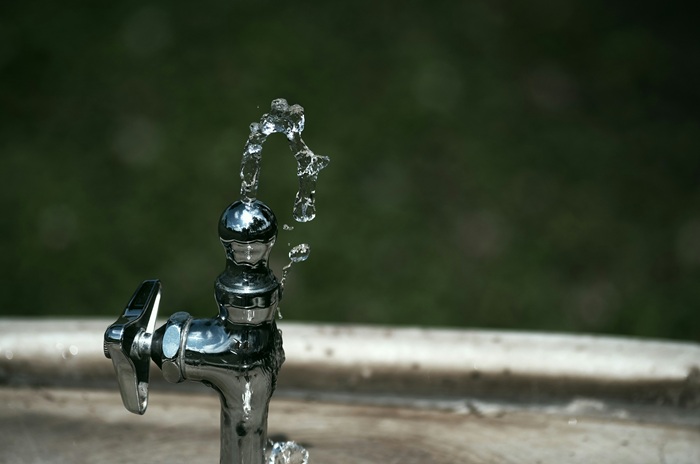
Water is one of our planet’s most valuable resources, yet we waste a bucketload of it every day without even thinking twice. From leaving the tap running while we wash dishes or using the shower to inefficient storage & usage practices, water waste has become a budding concern in our modern civilization. As the world is developing, the need to stop wasting water has never been more critical. Whether you manage a household, business, or a corporate facility, water wastage can silently consume resources as well as finances. By understanding how we use water and where it’s being lost, we can implement real changes that reduce consumption, lower utility bills & build a sustainable environment,,

II. Why is stopping water waste critical

Water scarcity is becoming a practical problem now more than ever, affecting & threatening the ecosystem. According to some articles, it can be said that globally about 30% of water is wasted annually which is equivalent to around 9.5 trillion litres. That’s enough water to fill some 64 billion bathtubs. Another article says, around one third of people live in areas affected by water shortages. So, reducing water waste isn’t just an environmental concern – it’s a human and economic one.

III. Simple Ways to Stop Water Waste

AT HOME :

1. Fix Leaks: A small leak in the pipe, or the tap, or in a bucket can waste gallons of water without even knowing. And fixing all these leaks is as easy as breathing. Just acknowledge the leak and you will be able to fix it.

2. Turn Off the Tap: When we will stop running the tap when brushing teeth or washing dishes or even getting a shower, the wastage will be less. And even 1

% will contribute to a large savings.

3. Install Water-Efficient Appliances: Instead of using some luxurious shower head, go for the water saving shower heads. Similarly we can use low flow toilets, dishwasher to reduce the waste.

4. Efficient Landscaping: While gardening or landscaping for our home or office, we often forget how much water we are using and how much is getting wasted. By having some native plants like succulents, grasses; using drip irrigation instead of sprinklers, reducing the lawn area the goal can be achieved.

IN COMMUNITIES & INDUSTRIES:

1. Government role: The government can play a crucial role by making and implementing numerous policies focusing on reducing water waste like urban planning that support – water efficient infrastructures, encouraging the common people for rainwater harvesting and providing incentives to companies that adopt water saving technology.

2. Corporate sectors: They can –

A. Adopt sustainable water usage by setting clear goals for reducing water consumption.

B. Conduct water efficiency audits to assess current water use and identify areas for improvement. Partnering with castlewater can provide expert guidance and solutions to help reduce water waste and improve sustainability.

C. Upgrade to water efficient models for industrial processes and equipment, including machinery and cooling systems related item. Incorporating reliable measurement technologies is essential for businesses aiming to monitor and optimize water usage. One solution, turbine flow meters, provide accurate flow data that helps organizations track consumption patterns and quickly identify inefficiencies or leaks in complex systems. Companies looking to improve how they monitor water in manufacturing or large facilities can view turbine flow meters, which are especially useful for balancing process control with sustainability goals.

D. Recycle and reuse water within various sectors.

3. Community Education: One of the most effective ways to stop water waste is raising awareness and educating the communities by hosting various workshops, launching campaigns on water saving technologies, and rainwater harvesting in schools and colleges. One is likely to adopt water saving habits when they can understand the value of water & the consequences of its waste.

IV. The role of technology in water conservation

Even though it sounds unbelievable, in today’s digital age, technology plays a significant role in helping us conserve water & reduce wastage.

Smart Technologies

Devices like smart water meters and leak detection systems allow homeowners and businesses to monitor their water usage in real-time. Smart irrigation systems use weather data to water lawns and gardens.

Water Reuse Technologies

Greywater systems, which reuse water from sinks, showers, water purifier and laundry for irrigation, are becoming more common in households and businesses. These systems allow users to conserve potable water while still maintaining a healthy garden or lawn.

V. Why every drop matters

Water waste is preventable but only if we acknowledge our ignorance towards mother nature. Water conservation is not only about saving a few liters here and there – it is about securing this precious resource. By incorporating small habits in our daily life and advocating for broader systemic changes. we can all contribute to a promising future where clean water is accessible to each and every living being. Because small changes can contribute to a huge difference. Remember, save whatever you can because every drop counts.

Categories: Advice, Articles, Logistics

Discover Our Awards.

See Awards

You Might Also Like