Back to top

Why Tech-Driven Manufacturing Is the Backbone of the Modern Economy

Walk into a modern manufacturing facility and you’ll notice something striking. Machines move in rhythm with people, data flows between…

Why Tech-Driven Manufacturing Is the Backbone of the Modern Economy

3rd November 2025

Walk into a modern manufacturing facility and you’ll notice something striking. Machines move in rhythm with people, data flows between systems in real time, and production lines think for themselves.

The blend of digital tools, automation, and human skill has reshaped what it means to build and innovate. From robotics and AI to advanced systems like waterjet technology, progress has created a new generation of intelligent manufacturing.

These advancements reach far beyond faster assembly or lower costs. They improve quality, cut waste, and promote more sustainable ways to make everything from cars to microchips. Together, they form the foundation of a strong global economy.

In the following sections, we’ll look at how these technologies strengthen productivity, boost precision, and drive long-term industrial growth across the world.

Automation and Smart Efficiency

Technology has made manufacturing smarter, cleaner, and more responsive. Automated systems now manage output, monitor energy use, and detect issues before they interrupt production. A single digital network can control multiple processes with near-perfect accuracy.

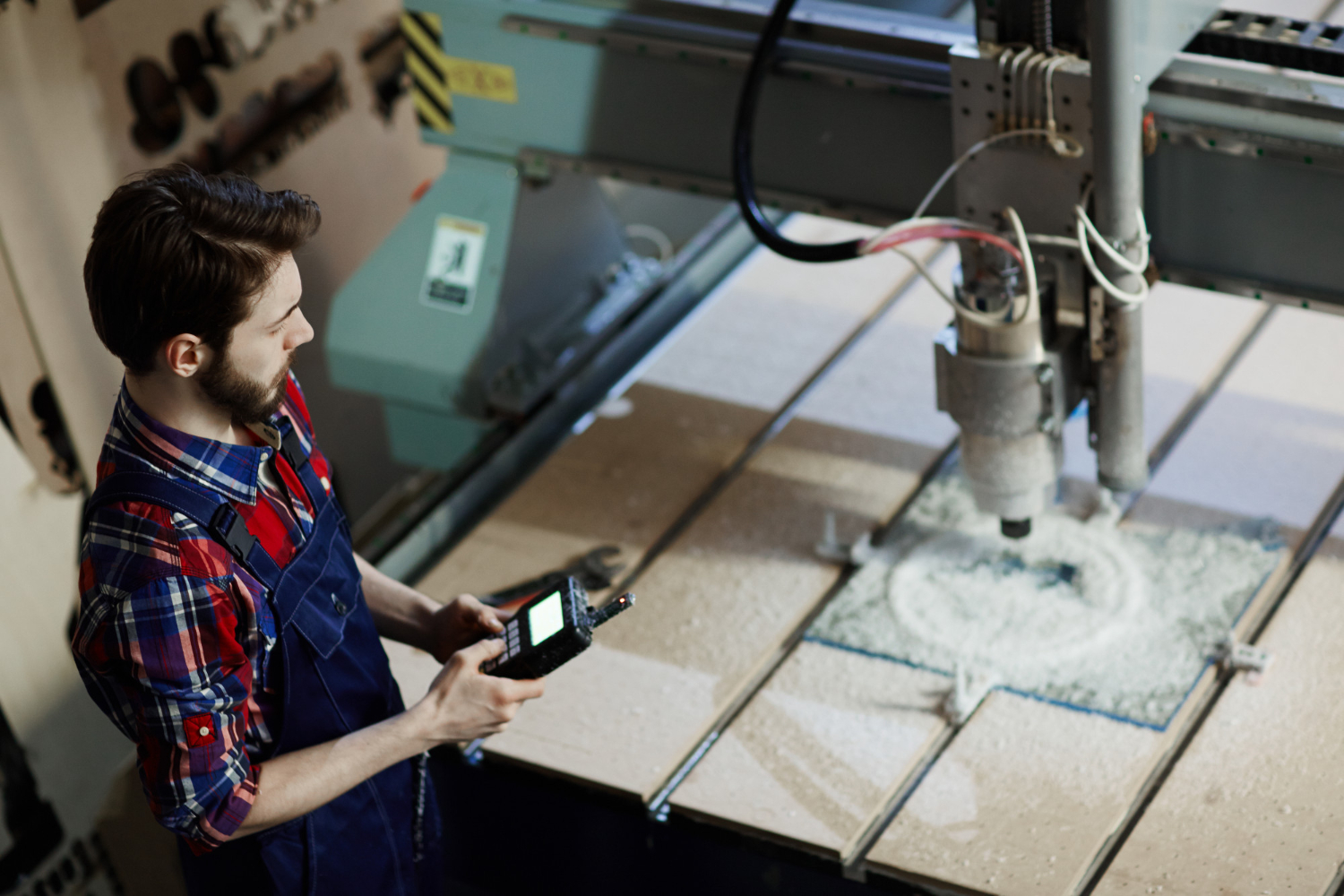
Even precision tools like waterjet cutting systems now integrate with digital controls, allowing operators to automate complex tasks with remarkable speed and consistency. For instance, robotic setups guided by sensors can cut, move, or assemble components within seconds — tasks that once took hours of manual effort.

Key outcomes include:

  • Reduced waste and downtime
  • Faster, more consistent production cycles
  • Improved worker safety and efficiency

Automation doesn’t replace people — it gives them tools to work smarter and achieve results that manual systems alone could never deliver.

Precision Tools and Advanced Production

Automation boosts scale, but precision defines quality. Manufacturers rely on advanced tools to meet demanding accuracy standards and deliver consistent results across materials. From sensor-based machines to high-speed cutters, these innovations have reshaped what factories can achieve on a microscopic level. Each breakthrough reflects a shared goal — to combine efficiency with accuracy in every step of production.

Among these advancements, the waterjet machine stands out for its clean, controlled approach. Many industry professionals look to trusted manufacturers like OMAX for its deep expertise in this technology and its commitment to engineering systems that cut with both precision and care for material integrity. In these systems, a high-pressure stream of water mixed with fine abrasive particles moves through a narrow nozzle, shaping metal, glass, and composites without heat. This cold-cutting method preserves material strength while allowing intricate forms and detailed contours.

Sustainability and Green Innovation

Sustainability has become central to modern production. Connected systems help manufacturers reduce energy use, recycle materials, and prevent waste before it happens. Smart sensors track machine health, while predictive maintenance prevents breakdowns and saves resources.

For example, digital monitoring can signal when a pump or motor is running inefficiently, enabling quick adjustments rather than costly replacements. In the same way, precision equipment reduces scrap, creating cleaner workflows and lower environmental impact. Sustainability is no longer an add-on — it’s the standard that defines a responsible, forward-looking industry.

Economic Strength and Global Competitiveness

When production becomes efficient, entire economies grow stronger. Smart factories enable faster scaling, more exports, and improved product reliability. A small local manufacturer using automated systems can now compete globally without large infrastructure costs.

These advancements also help stabilize supply chains by allowing companies to adapt locally when global conditions change. The outcome is a stronger economy supported by skilled workers, advanced systems, and resilient infrastructure.

Wider impact includes:

  • Greater employment in tech-based roles
  • More sustainable production models
  • Increased competitiveness for local industries

Technology doesn’t just build products — it builds the backbone of economic stability.

The Future of Manufacturing

The next chapter of manufacturing is already unfolding. Artificial intelligence, data-driven design, and robotics continue to merge with creative human insight. As smart robotics, AI systems, and precision tools such as waterjet cutters evolve, factories will merge design, sustainability, and production into a single digital flow.

Imagine systems that learn from every task — improving speed, accuracy, and material use automatically. These advances won’t replace people but empower them to focus on creativity and innovation. The future belongs to teams that combine human skill with machine intelligence to achieve what neither could alone.

Conclusion

Innovation has turned manufacturing into a network of precision, sustainability, and growth. Smart systems, connected tools, and digital design have built industries that adapt faster and perform better. As technology advances, it will support global progress through cleaner production, stronger supply chains, and more innovative resource use. The future economy will rest on this foundation, one built on innovation, collaboration, and continual evolution. Every new breakthrough will bring us closer to an industrial world that is as intelligent as it is sustainable.

Categories: Tech

Discover Our Awards.

See Awards

You Might Also Like