Back to top

How Traditional Education Values Support Modern Learning

Schools spent years chasing “modern learning” like it was going to fix every problem in education. More screens, more flexibility,…

How Traditional Education Values Support Modern Learning

22nd May 2026

Schools spent years chasing “modern learning” like it was going to fix every problem in education. More screens, more flexibility, more personalised platforms… But if that’s the solution, why do so many students still struggle to focus long enough to read a chapter, defend an argument, or finish difficult work without constant prompting? Because we don’t have a technology problem; we have a foundation problem.

Somewhere along the way, schools started treating structure as outdated (consciously or not, the result is the same). But structure is usually the thing that lets students think clearly in the first place. Traditional education values, like discipline, repetition, accountability, strong literacy, and respect for teachers, still matter because they affect how students approach learning, not just what they learn.

The truth is, modern learning works better when it sits on top of a stable educational framework instead of replacing it entirely.

Traditional Education Built Habits Before It Built Careers

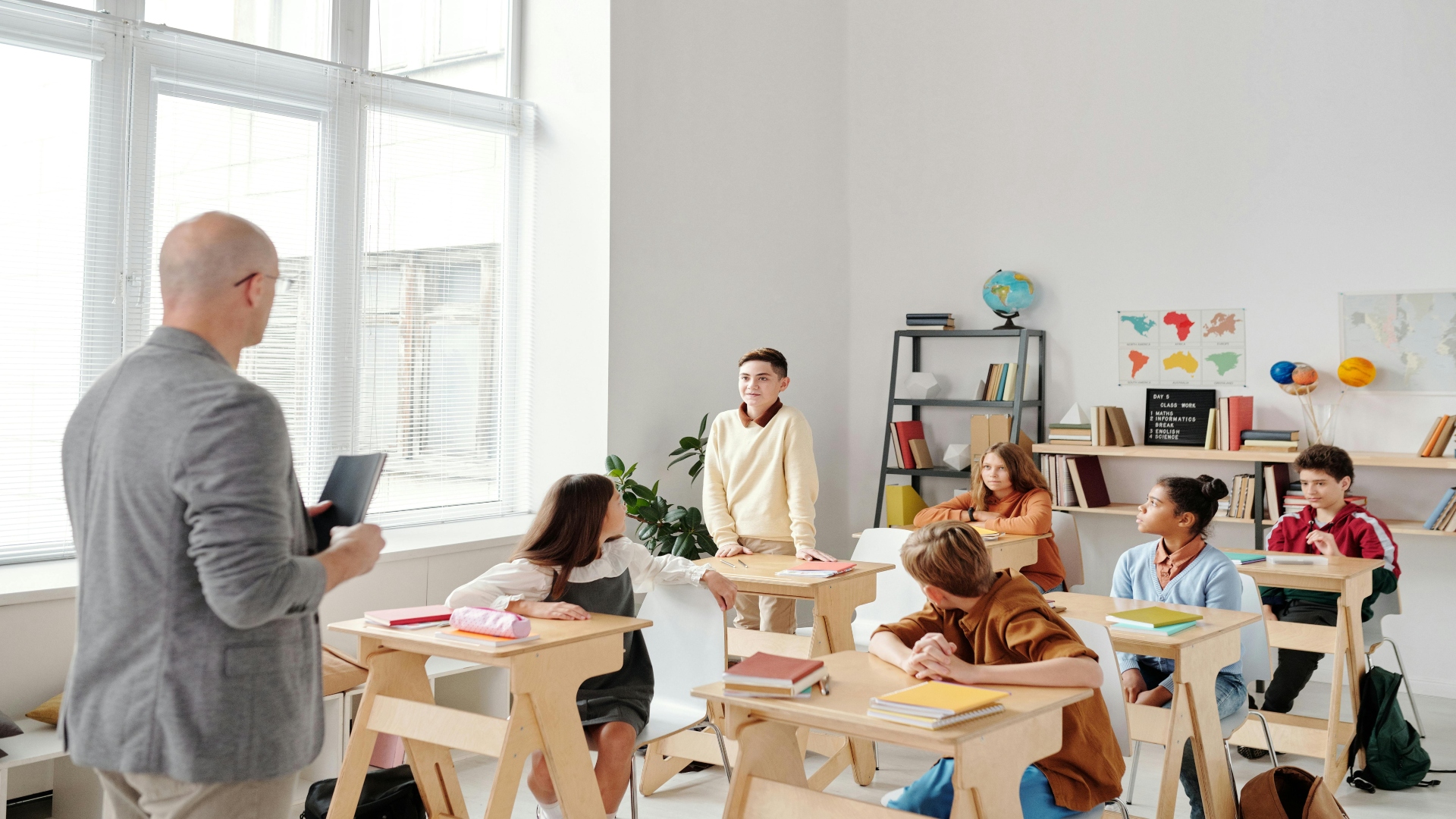
People hear “traditional education” and picture memorisation drills or rigid classrooms from fifty years ago. That version exists, sure. But the better version of traditional learning was always about habits.

Students learned how to sit with difficult material. They also learned how to organise thoughts before speaking. Teachers corrected their work directly instead of dancing around criticism to protect students’ confidence. That may sound strict by current standards, but it also prepared students for pressure, deadlines, and independent thinking later on. All of which is required in real life and real careers.

Research from the Organisation for Economic Co-operation and Development (OECD) shows that classroom order and disciplinary climate, and positive student-teacher relationships influence academic performance. Which makes perfect sense. Most students do better when the environment feels stable and supportive instead of constantly changing around them.

Critical Thinking Still Depends on Basic Knowledge

You cannot think critically about history if you barely know the history. You cannot analyse literature if reading itself feels exhausting. The point is, without a strong foundation, no amount of “self-directed learning” that modern education promotes can help.

But that’s where traditional academic methods still hold up surprisingly well:

  • Reading full texts instead of snippets
  • Memorising core math concepts
  • Writing structured essays
  • Revising work repeatedly
  • Speaking in front of a classroom (even when it feels uncomfortable)

A report from American Educator found that background knowledge directly improves reading comprehension. Basically, students who know more can absorb more. Simple idea, huge impact.

Technology Cannot Replace Self-Discipline

Educational technology helps in plenty of ways. No one’s arguing that fact. But it also exposes weak learning habits.

A student without focus will still procrastinate on a tablet (in fact, they will likely procrastinate even more). A student without reading stamina will still skim instead of understanding. The point is, devices change the format of learning, but they do not automatically improve the quality of thinking.

That’s partly why many schools have started leaning back into structured instruction. Legacy Traditional School Alamo Ranch is one example of a school that combines traditional academic expectations with modern educational tools instead of pretending one replaces the other.

Character Education Is Becoming Relevant Again

Education conversations usually obsess over test scores but underestimate the importance of character building. Yet character is essential for long-term professionalism.

Without punctuality, good communication skills, personal responsibility, teamwork skills, and resilience, how are students supposed to fit and succeed in the workplace? They cannot, since these are the traits that continue to rank high in workforce surveys.

Traditional education models, on the other hand, often emphasised these same character traits because school was seen as preparation for adulthood, not just college applications. So the “old-school” expectations schools once enforced? They still matter outside the classroom, too.

Modern Learning Still Needs Human Guidance

AI tools, adaptive platforms, and online classrooms can support learning. But students still need teachers who can challenge weak arguments, notice confusion, and push them beyond the bare minimum.

The human part matters just as much today as it did in the past. And traditional education values place teachers in an active leadership role instead of reducing them to passive facilitators floating around the classroom while students click through software modules.

Old Principles Still Solve Current Problems

Education does not need to choose between tradition and innovation. The strongest schools usually combine both without turning either into a slogan.

Modern learning tools increase access. Traditional education values help students use that access responsibly and intelligently. The balance matters because knowledge alone is cheap now. Attention, discipline, communication, and judgment are not and never will be.

Categories: Training

Our awards

Discover Our Awards.

See Awards

You Might Also Like