Back to top

The Many Career Paths Within the Aviation Industry

The aviation world is huge. Most people think of pilots and flight attendants first. That makes sense. They are the…

The Many Career Paths Within the Aviation Industry

11th May 2026

The aviation world is huge. Most people think of pilots and flight attendants first. That makes sense. They are the faces passengers see. But those folks are just the tip of the iceberg. A whole universe of careers exists behind the scenes. Mechanics, dispatchers, air traffic controllers, and many more.

Each role keeps the sky safe and smooth. Some jobs need years of training. Others offer faster entry points. The variety is enormous. There is truly something for almost everyone.

The Pilot Question

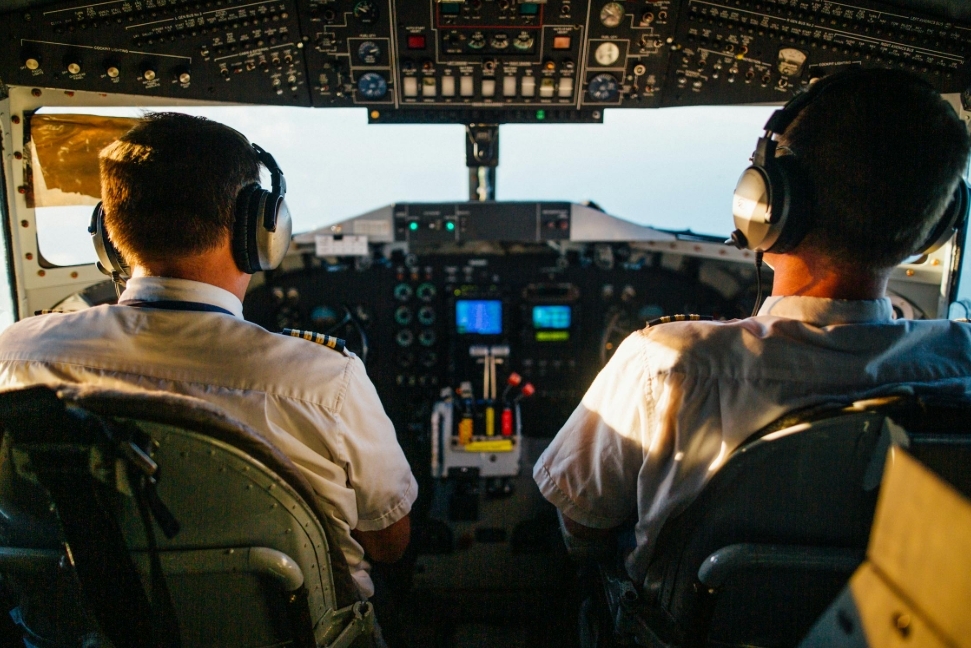
A lot of folks wonder about the cockpit. They daydream about taking off and landing. Then reality hits. The big question becomes how hard is it to become a pilot. The honest answer is pretty challenging. Flight training costs a small fortune. The hours of study are intense. Medical standards are strict.

But difficulty is not the same as impossible. Thousands of people earn their wings every year. They put in the work and make it happen. The challenge filters out the casual dreamers. It leaves behind the dedicated ones.

Behind the Yoke

Pilots themselves have many different paths. Some fly small cargo planes at night. Others command jumbo jets across oceans. There are bush pilots landing on gravel strips. There are corporate pilots flying executives to meetings. Flight instructors teach the next generation. Charter pilots take people on adventures.

Each path has different pay and lifestyle. Some pilots love the variety of short trips. Others prefer long-haul international flying. One license opens many doors.

The Unsung Heroes in the Hangar

Aircraft do not fix themselves. Skilled mechanics keep everything running safely. These folks crawl through tight spaces. They troubleshoot strange noises. They replace parts before failures happen. The work is physical and demanding. But it pays well and feels good.

An aircraft takes off because a mechanic did their job right. There is deep satisfaction in that. Some mechanics work for major airlines. Others prefer general aviation at local airports. The need for good techs never goes away.

The Eyes on the Screen

Air traffic controllers have a unique gig. They never see the planes they guide. Their whole world is a radar screen. But their decisions affect thousands of lives daily. Controllers sequence arrivals and departures. They keep safe distance between aircraft. They work under serious pressure.

High traffic times get incredibly busy. The training is tough and selective. But the pay is excellent. Many controllers retire early with good pensions. It is a career for people who stay calm when things get hectic.

The Dispatchers Behind the Desk

Flight dispatchers share legal responsibility with pilots. They plan every route before takeoff. They study weather and fuel needs. They calculate weights and alternate airports. A pilot cannot just take off without a dispatcher’s okay.

This job combines desk work with real operational authority. Dispatchers need deep knowledge of regulations. They communicate constantly with crews in the air. When storms pop up, they help find new routes. It is a great option for people who love aviation but prefer the ground.

The Cabin Crew World

Flight attendants do way more than serve drinks. Their real job is safety. They know emergency procedures cold. They can evacuate a full plane in ninety seconds. They handle medical issues and passenger conflicts.

The lifestyle involves constant travel. Sleeping in different hotels every week gets old for some. Others love the adventure. The job has no typical schedule. Holidays and weekends mean work, not rest. But the flexibility can be amazing for the right person.

The Business Side of Flying

Airplanes are expensive machines. Someone has to make the numbers work. Aviation needs accountants, marketers, and schedulers. It needs people who negotiate fuel contracts. It needs HR folks who hire and train. Airport managers keep everything running on the ground.

These business roles happen in offices. The view might not be a runway. But the industry needs these professionals badly. A business degree can lead straight to aviation.

Finding the Right Fit

The best part about aviation is the variety. Shy people can work on maintenance. Outgoing folks can become flight attendants. Math lovers can become dispatchers. Problem solvers can become mechanics. Gamers who love screens can become controllers. Everyone can find a corner that fits.

Some careers take years to enter. Others take just months of training. The industry has room for all types. The key is matching strengths to the right role. That fit makes work feel less like work.

Categories: Training

Our awards

Discover Our Awards.

See Awards

You Might Also Like