Back to top

Why Your Business Needs Braided Sleeves for Cable Management

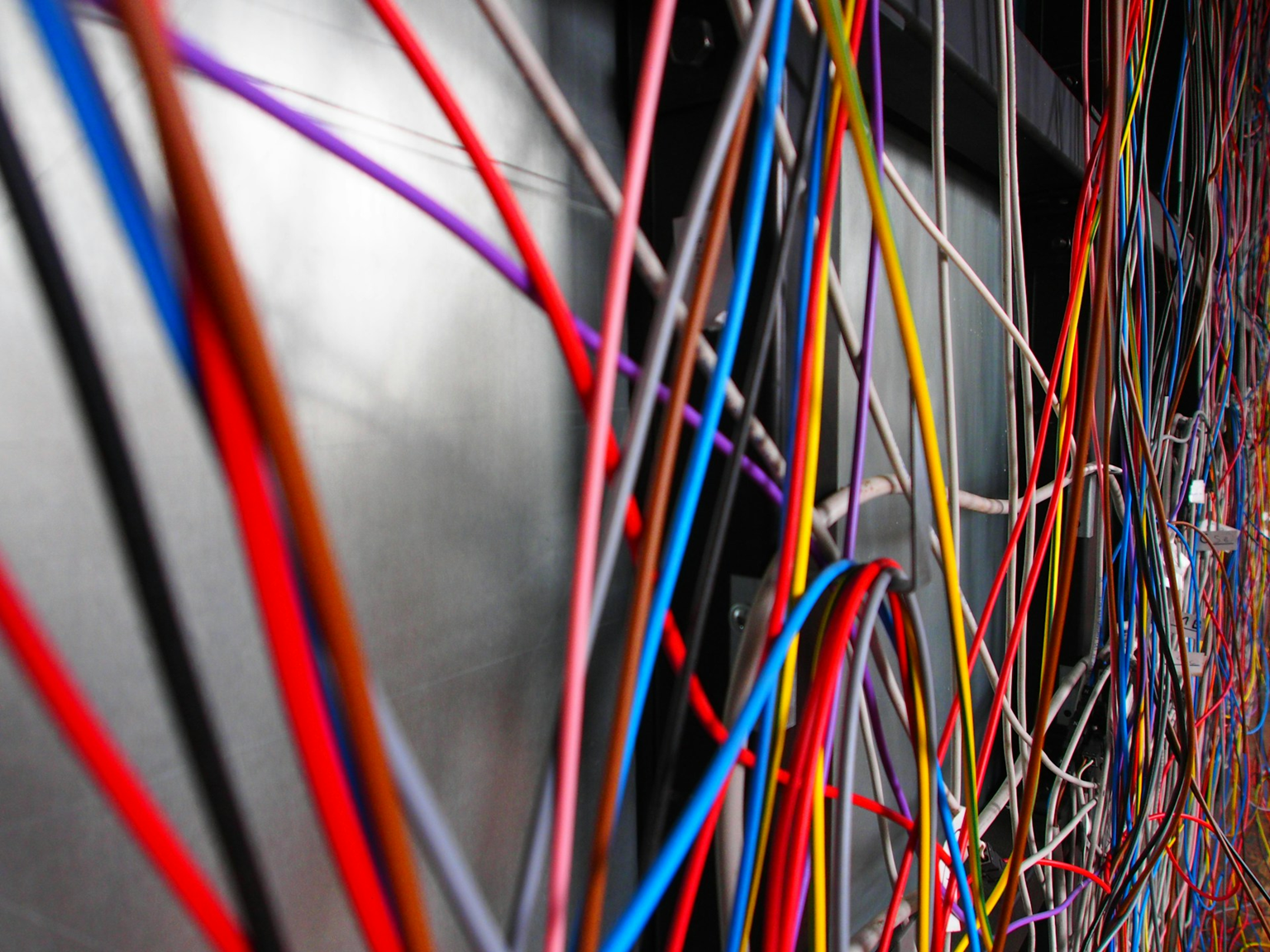
(Photo by Jandira Sonnendeck on Unsplash) Industrial operations grow more complex each year, and cable infrastructure often struggles to keep…

Why Your Business Needs Braided Sleeves for Cable Management

23rd September 2026

(Photo by Jandira Sonnendeck on Unsplash)

Industrial operations grow more complex each year, and cable infrastructure often struggles to keep pace. Disorganised or poorly protected wiring leads to costly inefficiencies, unplanned downtime and safety hazards.

Braided sleeves offer a proven solution, and AerosUSA, a leading wire and cable protection supplier founded by industry veterans, demonstrates how this technology restructures cable management for long-term operational success.

Why Is Cable Management Important?

The financial and operational risks associated with inadequate cable management extend far beyond simple aesthetics. Tangled, slack or unsupported cables are prone to snagging and movement, which accelerates degradation and leads to system breakdowns that halt production.

Cable-related malfunctions account for approximately 27% of unplanned industrial robot downtime incidents, a statistic that underscores the high cost of neglecting this critical infrastructure component.

The Department of Energy warns that unsupported cables can abrade against surfaces, leading to electrical faults and module damage. This mechanical wear compromises insulation integrity and exposes conductors to environmental contaminants.

According to AerosUSA, industrial workplaces are high-traffic environments where cable management solutions help secure wires and cables in place. Proper organisation prevents personnel from tripping or falling and reduces the risk of equipment damage from accidents.

Beyond safety concerns, poor cable management creates operational inefficiencies that cascade through the workplace. Maintenance teams waste valuable time tracing individual cables during troubleshooting, while cable bundles obstruct critical components and limit equipment accessibility. The cumulative effect translates to increased labor costs, extended repair timelines and reduced overall equipment effectiveness.

Solving Modern Infrastructure Stressors

Braided sleeves directly counteract cable degradation, electrical faults and safety risks by acting as a flexible, protective barrier that adapts to modern industrial demands. These solutions address multiple stressors simultaneously while maintaining the operational adaptability required in dynamic production settings.

Preventing Abrasion in High-Flex Environments

Environments with constant motion, such as robotics and automated manufacturing, place exceptional demands on cable infrastructure, where repetitive flex cycles cause unprotected insulation to degrade rapidly. Braided sleeves protect wires from rubbing and abrasion during these continuous motion patterns while preserving the full range of motion required for proper operation.

Data from AerosUSA indicates that metal braids and conduits offer shielding and abrasion resistance that can handle high-temperature environments while providing effective mechanical reinforcement. Dual-layer protection ensures that cables maintain their integrity even under the most demanding flex conditions.

The result is extended cable service life and reduced replacement frequency, which directly impacts maintenance budgets and operational uptime.

Lightweight Solutions for Thermal and Chemical Threats

Heavy-duty safeguards can maintain a lightweight profile. Modern braided sleeves handle temperature fluctuations and harsh environments while maintaining machinery agility and cable flexibility. They address the heat stress and abrasive motion that demand high-performance materials.

Contemporary sleeve materials withstand temperature extremes, from cryogenic conditions to industrial heat, while resisting oils, solvents and cleaning agents common in manufacturing environments.

This lightweight, chemical-resistant construction maintains cable flexibility while delivering protection that previously required bulky, rigid conduit systems. Engineers can implement comprehensive protection using existing support structures and maintaining full system performance.

Selecting the Right Braided Sleeves for Operations

Decision-makers should prioritise providers that offer fast support, extensive inventory and engineering expertise when selecting cable management solutions. Modern industrial systems with integrated automation and diverse equipment demand partners who understand application-specific requirements and can deliver tailored recommendations.

Abrasion resistance determines how well the sleeve withstands mechanical wear from movement and contact with equipment, while flexibility accommodates full cable motion and eliminates stress points that accelerate failure. Temperature range compatibility must match the specific thermal environment where the cables operate to prevent material degradation.

Material type selection depends on the application environment. Expanded polyethylene terephthalate offers excellent general-purpose safeguards. AerosUSA notes that fiberglass sleeves handle extreme heat applications, and stainless steel braids provide maximum durability with electromagnetic interference shielding.

Ease of setup impacts both initial deployment costs and future maintenance accessibility. Engineers should look for solutions that allow field deployment without specialised tools or extensive cable disconnection.

Frequently Asked Questions on Cable Management

Engineering teams evaluating cable protection solutions typically focus on application compatibility, performance parameters and environmental demands.

What are common uses of braided sleeves in cable management?

Braided sleeves serve multiple functions across industrial applications, bundling wires into structured harnesses that simplify routing and identification. In robotics, they protect against abrasion during continuous flex cycles in automated work cells. Server rack installations use them to route power and data cables without compromising airflow for cooling.

Why is cable management important?

Organised cable systems directly impact safety, operational efficiency and equipment longevity. They reduce workplace hazards by avoiding tripping risks and accidental disconnections, while proper support extends cable service life by guarding against mechanical damage and environmental degradation. Well-managed infrastructure also simplifies troubleshooting and maintenance, reducing downtime during repairs or system modifications.

Can braided sleeves withstand extreme temperatures?

Manufacturers design certain materials specifically for high-heat environments like HVAC systems and heavy manufacturing, where specialised polymers maintain their protective properties across wide heat ranges. Fiberglass sleeves withstand continuous exposure exceeding 500° Fahrenheit, making selection critical to align with specific thermal demands and ensure reliable long-term performance.

Building a More Resilient Workspace

Proper cable management represents a strategic investment in business continuity and workplace safety. Braided sleeves help reduce downtime, lower maintenance costs and improve hazard reduction.

Organisations that audit their current infrastructure and upgrade to durable braided sleeves position themselves for sustained operational excellence. Reliability gains from properly protected cable systems compound over time and deliver returns that extend well beyond the initial implementation.

Categories: Tech

Our awards

Discover Our Awards.

See Awards

You Might Also Like