Back to top

Why Flexible Office Infrastructure Matters for Growing Companies

When companies sign a multi-year office lease, they are committing to a fixed number of employees for that period. This…

Why Flexible Office Infrastructure Matters for Growing Companies

16th November 2026

When companies sign a multi-year office lease, they are committing to a fixed number of employees for that period. This impacts future hiring and new projects. This situation leads companies to seek flexible infrastructure solutions that allow them to keep pace with growth without incurring significant long-term expenses.

Flexible Space and Infrastructure

In the office rental market, flexibility comes in the form of leases with termination clauses or coworking spaces.

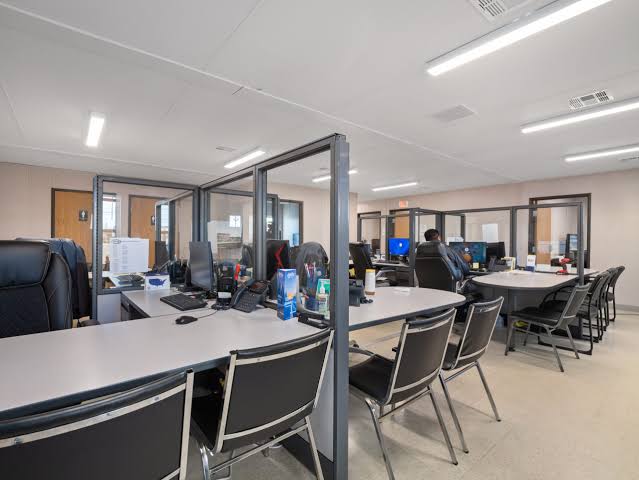
But it can also apply to the physical space itself, with buildings that can be expanded or relocated as needed. One example is portable offices. For instance, Nadler Modular, which operates across most of the eastern United States, offers each portable office in five standard sizes. Additionally, you have the option to connect multiple units to form complexes if more space is needed.

Offices and Growth

According to CBRE’s 2026 survey, 38% of companies expect their office portfolio to grow over the next three years, while 34% expect to reduce it. Overall, only 16% of the companies surveyed do not have a flexible space strategy.

Growth does not occur in an orderly fashion. Most of the time, each stage has different space requirements. For example, when:

  • Hiring exceeds the headquarters’ capacity.
  • A project with a deadline requires a team to be located near the operation.
  • The headquarters is undergoing a renovation.
  • An administrative office is opening in a new location.

In all these cases, the duration of the space requirement is as uncertain as its size. The problem is that the solution of signing a long-term lease or permanently expanding a building to address a need that may last only a year ends up being a situation that is difficult to reverse.

Relocatable Offices

As an alternative to multi-year leases, expansions, or moving to a new building, relocatable structures are an attractive option. These spaces can be used for anywhere from a few months to several years, depending on need. Modules can also be added or removed as demand changes, and the building can be moved to another location once its original use is complete.

Before installation, the site requires a prepared foundation and utility connections, and the completed building must comply with the permits and inspections required by each jurisdiction.

What You Need to Determine First

Before choosing a solution, companies should ask themselves:

  • How long will we need the space?
  • How many people will use it?
  • Is there sufficient space and access on the site to transport and install the unit?
  • What connections and permits are required?

A company that is currently among the 38% planning to grow could find itself among the 34% downsizing its portfolio in three years. The advantage of flexible infrastructure is that it allows companies to add or remove space as their needs change.

Categories: Logistics

Our awards

Discover Our Awards.

See Awards

You Might Also Like